

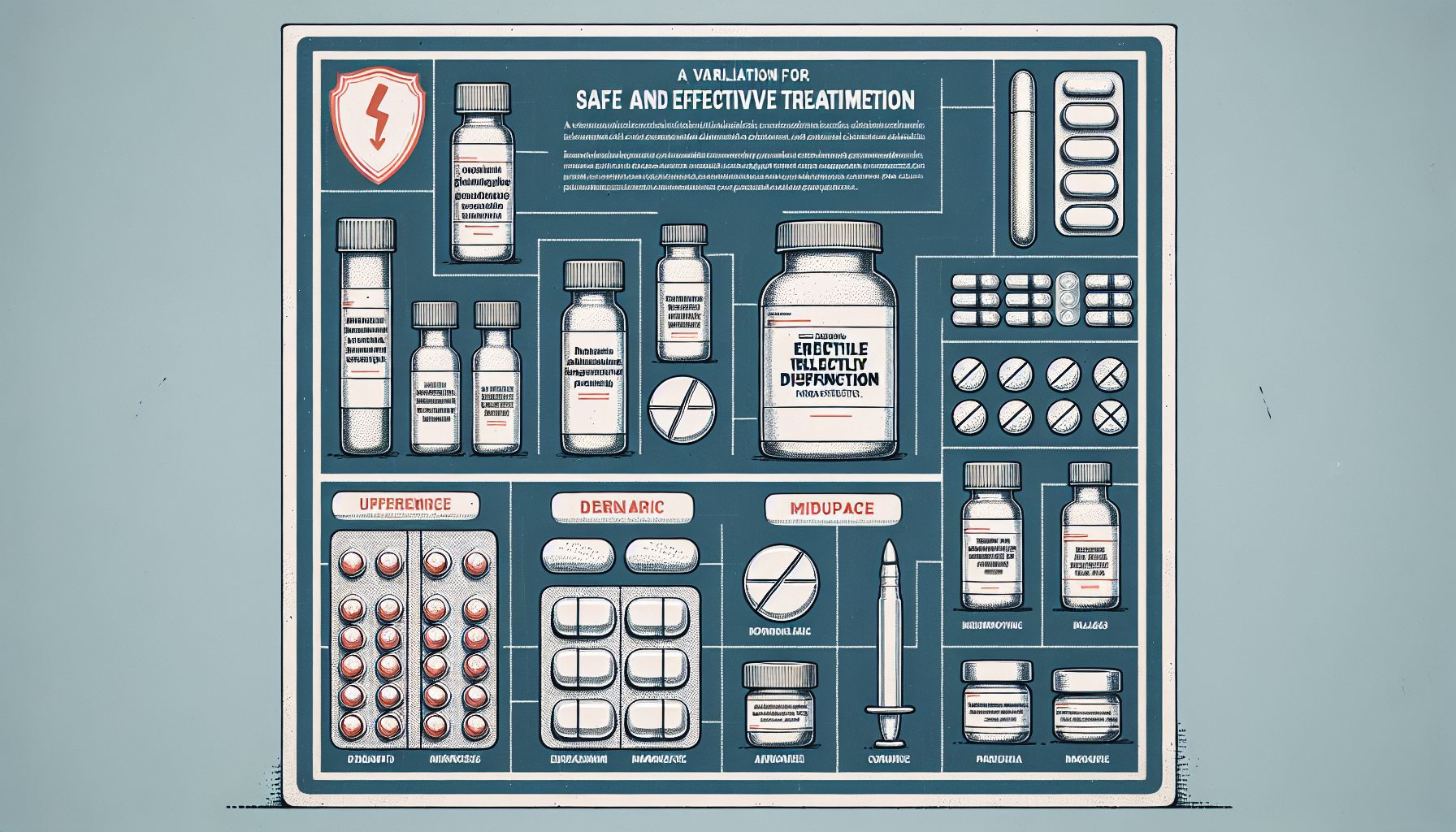
Erectile dysfunction (ED) affects many men worldwide. It can impact self-esteem and relationships. Fortunately, several safe and effective medications can help. This article explores these treatments, discussing their effectiveness, side effects, and alternatives.
What is Erectile Dysfunction?
Erectile dysfunction is the inability to achieve or maintain an erection sufficient for satisfactory sexual performance. It can result from various factors, including physical conditions, psychological issues, or lifestyle choices. Understanding the cause is essential for effective treatment.
Common Causes of Erectile Dysfunction
Many factors contribute to ED. Some of the common causes include:
- Medical Conditions: Diabetes, hypertension, and heart disease can affect blood flow, leading to ED.
- Psychological Factors: Stress, anxiety, and depression can impact sexual performance.
- Lifestyle Choices: Smoking, excessive alcohol consumption, and obesity can also lead to sexual health issues.
- Medications: Certain medications can have side effects that include ED.
Addressing these underlying causes can improve overall sexual health and reduce ED symptoms.
Overview of ED Medications
Several medications are available to treat erectile dysfunction. These medications work by increasing blood flow to the penis, helping men achieve and maintain an erection. The following sections discuss the most common types.
Phosphodiesterase Type 5 Inhibitors (PDE5 Inhibitors)
PDE5 inhibitors are the first-line treatment for ED. They include:
- Sildenafil (Viagra): Sildenafil is one of the most well-known ED medications. It can start working within 30 to 60 minutes and lasts for about four to five hours.
- Tadalafil (Cialis): Tadalafil can last longer than other options, up to 36 hours. It can be taken daily or as needed.
- Vardenafil (Levitra): Vardenafil is similar to sildenafil but may work slightly faster for some men.
- Avanafil (Stendra): Avanafil works quickly, often within 15 minutes, making it a convenient choice for spontaneous encounters.
Pros of PDE5 Inhibitors
- Fast-acting
- Generally well-tolerated
- Widely studied and effective in many cases
Cons of PDE5 Inhibitors
- Possible side effects (headaches, flushing, indigestion)
- Cannot be used with certain medications (e.g., nitrates)
- Requires sexual stimulation to work
Hormone Therapy
For men with low testosterone levels, hormone therapy may be effective. This treatment can involve testosterone replacement through injections, patches, or gels.
Pros of Hormone Therapy
- Can improve libido and erectile function
- Treatment for underlying hormonal imbalances
Cons of Hormone Therapy
- Requires monitoring by a healthcare provider
- May have side effects (acne, mood swings, prostate issues)
Vacuum Erection Devices (VED)
VEDs are non-invasive devices that create a vacuum around the penis, enhancing blood flow. A rubber ring is then placed at the base of the penis to help maintain the erection.
Pros of VED
- Non-invasive and effective
- No medications required
- Can be used safely with other treatments
Cons of VED
- Can be cumbersome and require practice
- May not provide the spontaneity some men prefer
Penile Injection Therapy
This method involves directly injecting medication into the penis to induce an erection. Common medications used include alprostadil.
Pros of Injection Therapy
- Quick onset of action
- Can be effective for men who do not respond to oral medications
Cons of Injection Therapy
- May cause pain or discomfort
- Requires training to administer safely
Penile Implants
For men with severe ED who do not respond to other treatments, penile implants may be an option. This surgical procedure places a device in the penis that can help achieve an erection.
Pros of Penile Implants
- Permanent solution for severe ED
- High satisfaction rates among patients
Cons of Penile Implants
- Invasive surgery with associated risks
- Requires recovery time after the procedure
Lifestyle Changes for ED
In addition to medication, making lifestyle changes can help improve erectile function. Consider the following:
- Healthy Diet: Eating a balanced diet rich in fruits, vegetables, whole grains, and lean proteins can support overall health.
- Regular Exercise: Physical activity improves blood flow and can help reduce stress.
- Quit Smoking: Stopping smoking can significantly improve sexual health.
- Limit Alcohol: Reducing alcohol intake can help increase erectile function.
Consulting with a Healthcare Provider
Before starting any treatment for ED, consult with a healthcare provider. They can help identify the underlying cause and recommend the most appropriate treatment. It is essential to discuss your medical history, current medications, and any concerns you may have.
Safety and Effectiveness
Ultimately, most ED medications are safe and effective when used correctly. Clinical studies have shown that PDE5 inhibitors improve erectile function for many men. Successful outcomes depend on proper use and adherence to medical advice.
For more information on various erectile dysfunction medications, visit reputable health websites that focus on sexual health, like the Mayo Clinic, Healthline, and WebMD.

Conclusion
Erectile dysfunction is a common issue that can be addressed effectively with the right treatment. From PDE5 inhibitors to lifestyle changes, men have various options to regain their sexual health. Always consult a healthcare provider to explore the best treatment for your specific needs. Taking steps to understand and treat ED can lead to a more satisfying and fulfilling sexual life.
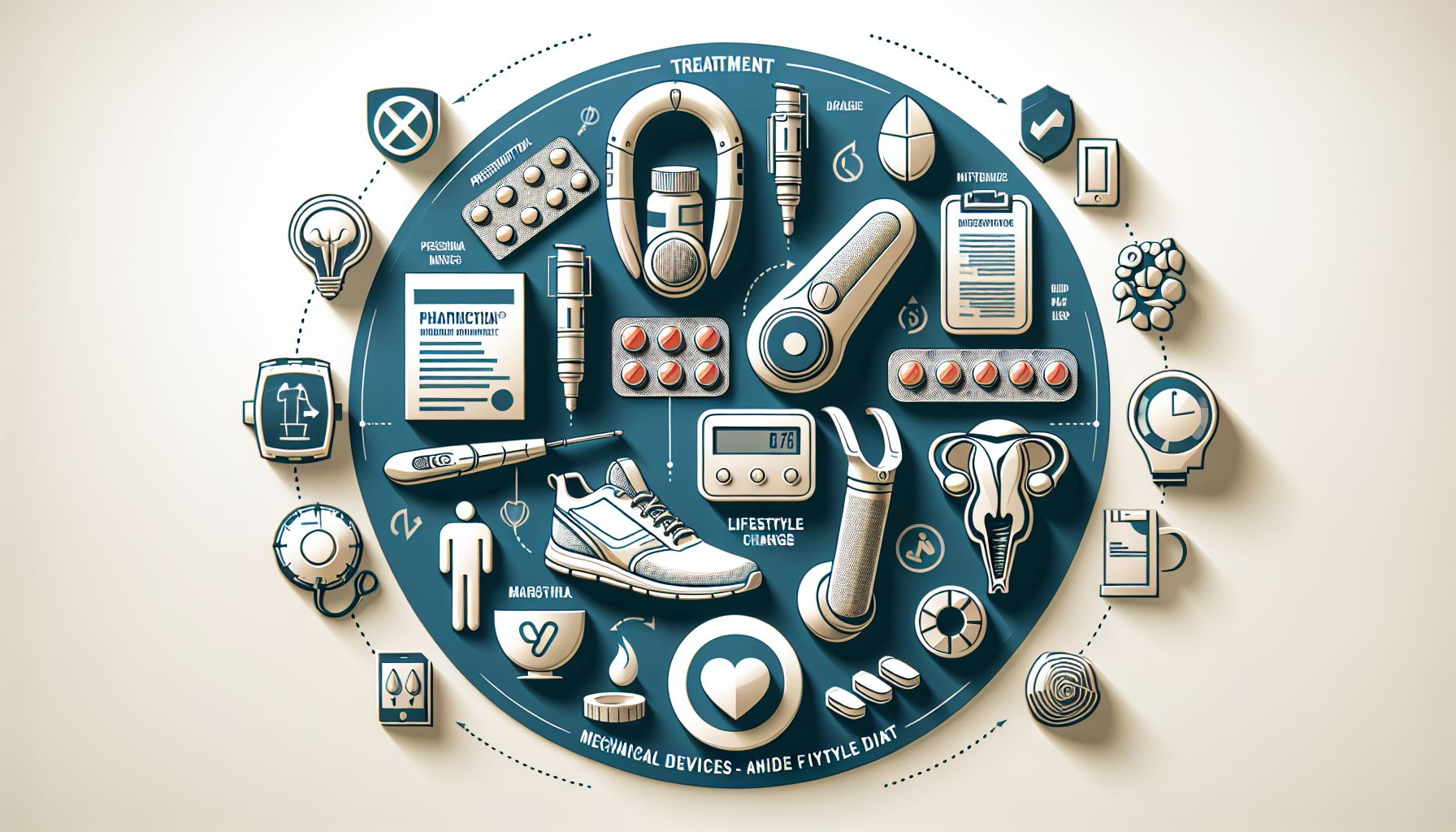
By focusing on both medical and lifestyle approaches, men can find relief from ED and enhance their quality of life. Don’t hesitate to seek help; many solutions exist to help you achieve your goals in sexual health.