
Prescription Anxiety Relief Options for Short-Term and Long-Term Use

Anxiety can impact daily life significantly. It may disrupt personal relationships, work, and general well-being. Many people seek relief through medication. This article explores prescription options for anxiety relief, focusing on both short-term and long-term use.

Understanding Anxiety Medications

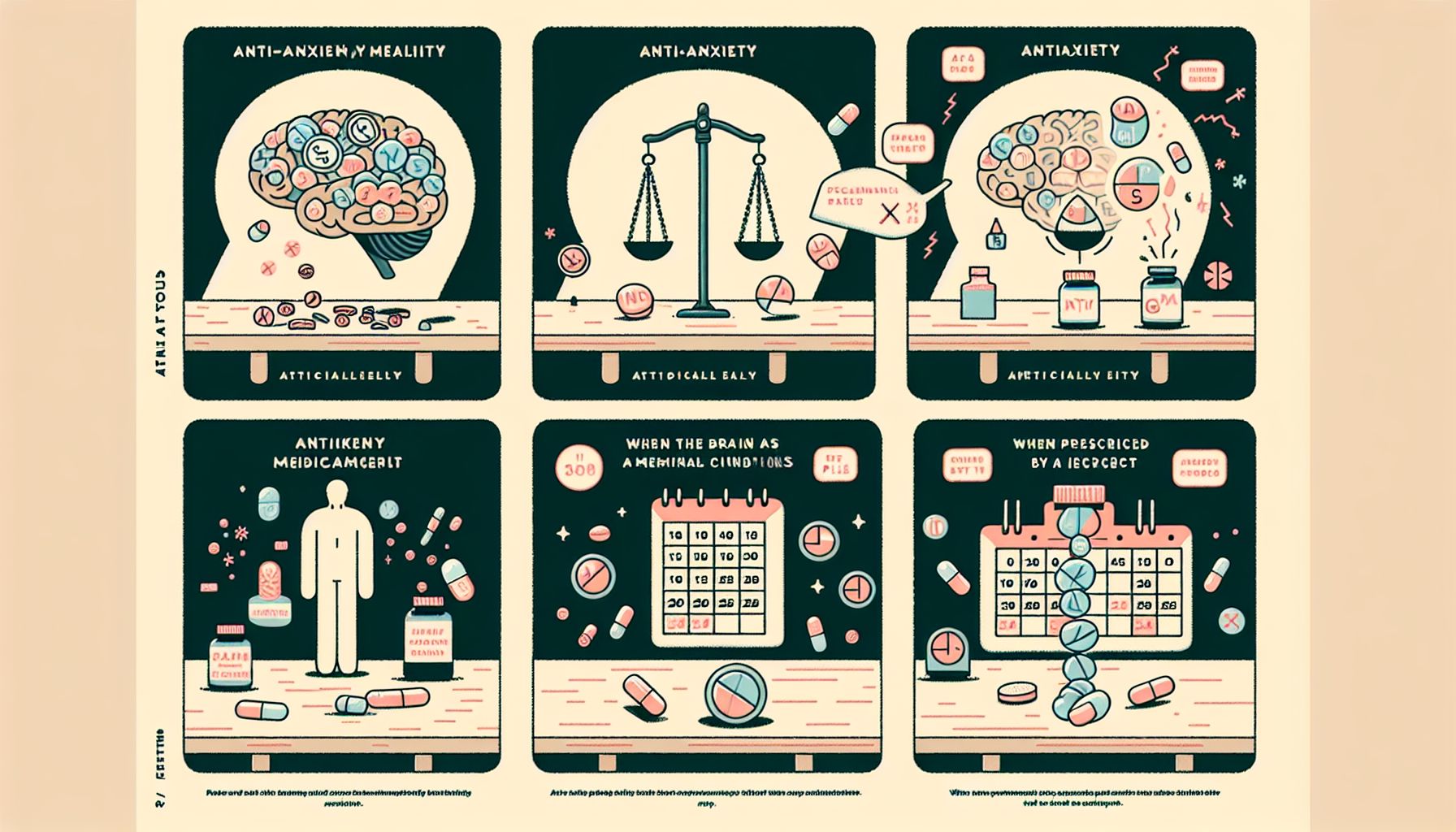
Anxiety medications primarily fall into two categories: benzodiazepines and antidepressants. Each type serves different purposes and suits varied treatment plans.

Benzodiazepines

Benzodiazepines act quickly. They help manage acute anxiety symptoms. Common benzodiazepines include:

  • Alprazolam (Xanax)
  • Lorazepam (Ativan)
  • Diazepam (Valium)

These medications work by enhancing the effect of a neurotransmitter called gamma-aminobutyric acid (GABA) in the brain. This leads to a calming effect.

Pros and Cons of Benzodiazepines

Pros:

  • Fast-acting relief: Users typically notice effects within 30 minutes.
  • Effective for panic attacks: They can quickly reduce overwhelming anxiety.

Cons:

  • Risk of dependence: Long-term use can lead to addiction.
  • Withdrawal symptoms: Stopping suddenly may cause severe anxiety or seizures.

Antidepressants

Antidepressants are often used for chronic anxiety. They take longer to work, usually requiring several weeks before noticing effects. Common types include:

  • Selective Serotonin Reuptake Inhibitors (SSRIs): Fluoxetine (Prozac), Sertraline (Zoloft)
  • Serotonin-Norepinephrine Reuptake Inhibitors (SNRIs): Venlafaxine (Effexor XR), Duloxetine (Cymbalta)

These medications increase levels of serotonin and norepinephrine in the brain, improving mood and anxiety levels over time.

Pros and Cons of Antidepressants

Pros:

  • Long-term management: Suitable for chronic anxiety disorders.
  • Less addictive: They have a lower risk of dependence compared to benzodiazepines.

Cons:

  • Delayed onset: Users may wait weeks for benefits.
  • Side effects: Possible side effects include weight gain, nausea, and insomnia.

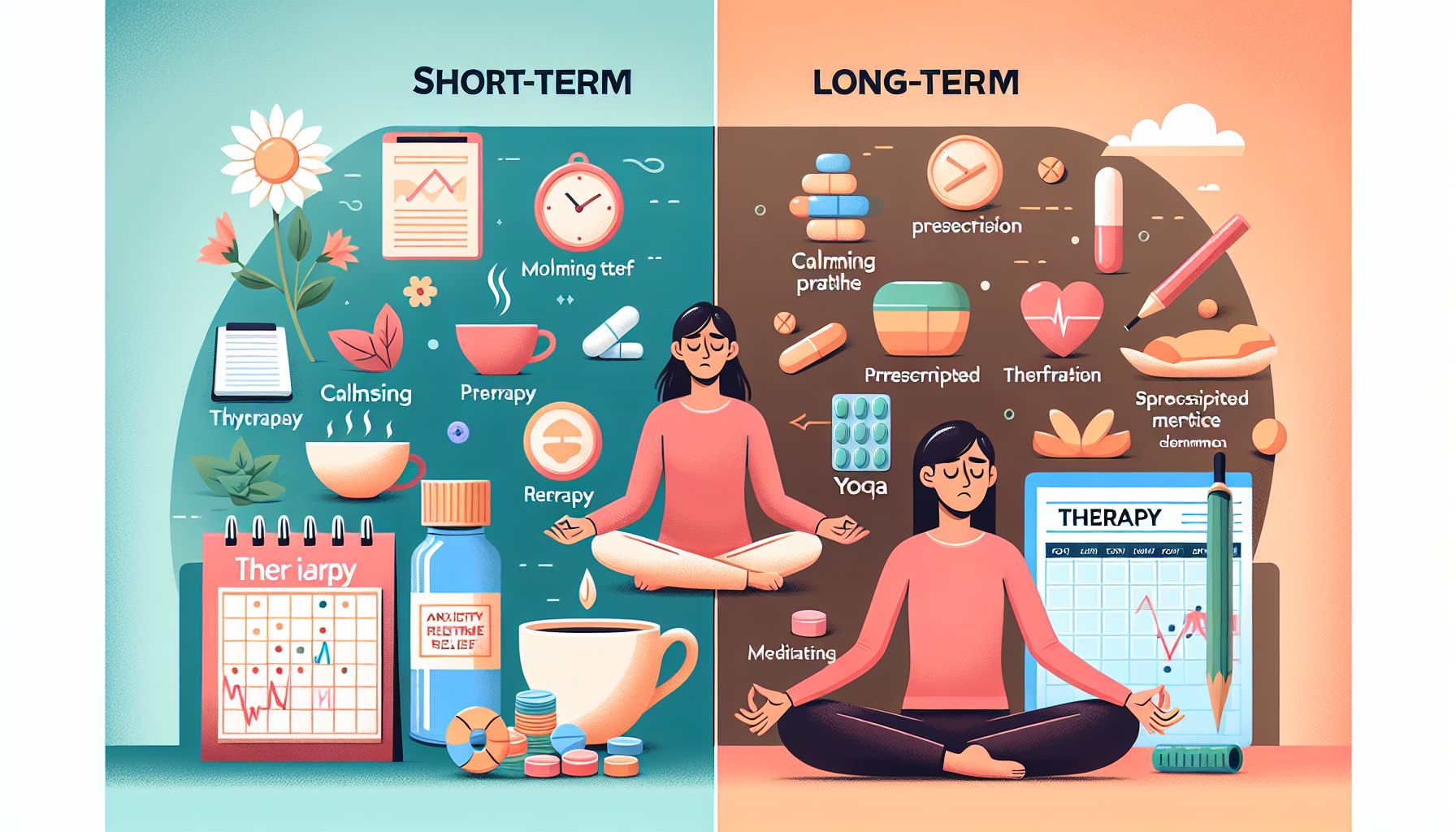
Short-Term vs. Long-Term Use

Short-Term Use

Benzodiazepines are typically for short-term anxiety relief. Doctors may prescribe them during crises, such as major life events or panic attacks. They are effective for immediate relief. However, it is essential to use them cautiously to avoid dependence.

Long-Term Use

Antidepressants are suitable for long-term management. They can help people with generalized anxiety disorder (GAD) or those experiencing anxiety alongside depression. Ongoing consultation with a healthcare provider is crucial to monitor effectiveness and adjust dosage as needed.

Alternative Prescription Options

In addition to benzodiazepines and antidepressants, several other medications can help manage anxiety:

Buspirone

Buspirone (Buspar) is an anti-anxiety medication that may take weeks to become effective. It is not a benzodiazepine and does not carry the same risk of dependence. It works on serotonin receptors and may be suitable for patients seeking a long-term treatment option.

Beta-Blockers

Beta-blockers, such as propranolol, may be helpful for performance anxiety. They do not treat anxiety directly but reduce physical symptoms like rapid heartbeat and trembling during stressful situations.

Antipsychotics

Sometimes, doctors prescribe atypical antipsychotics like quetiapine to manage anxiety, especially in cases resistant to other treatments. These medications need careful management due to potential side effects.

Finding the Right Treatment

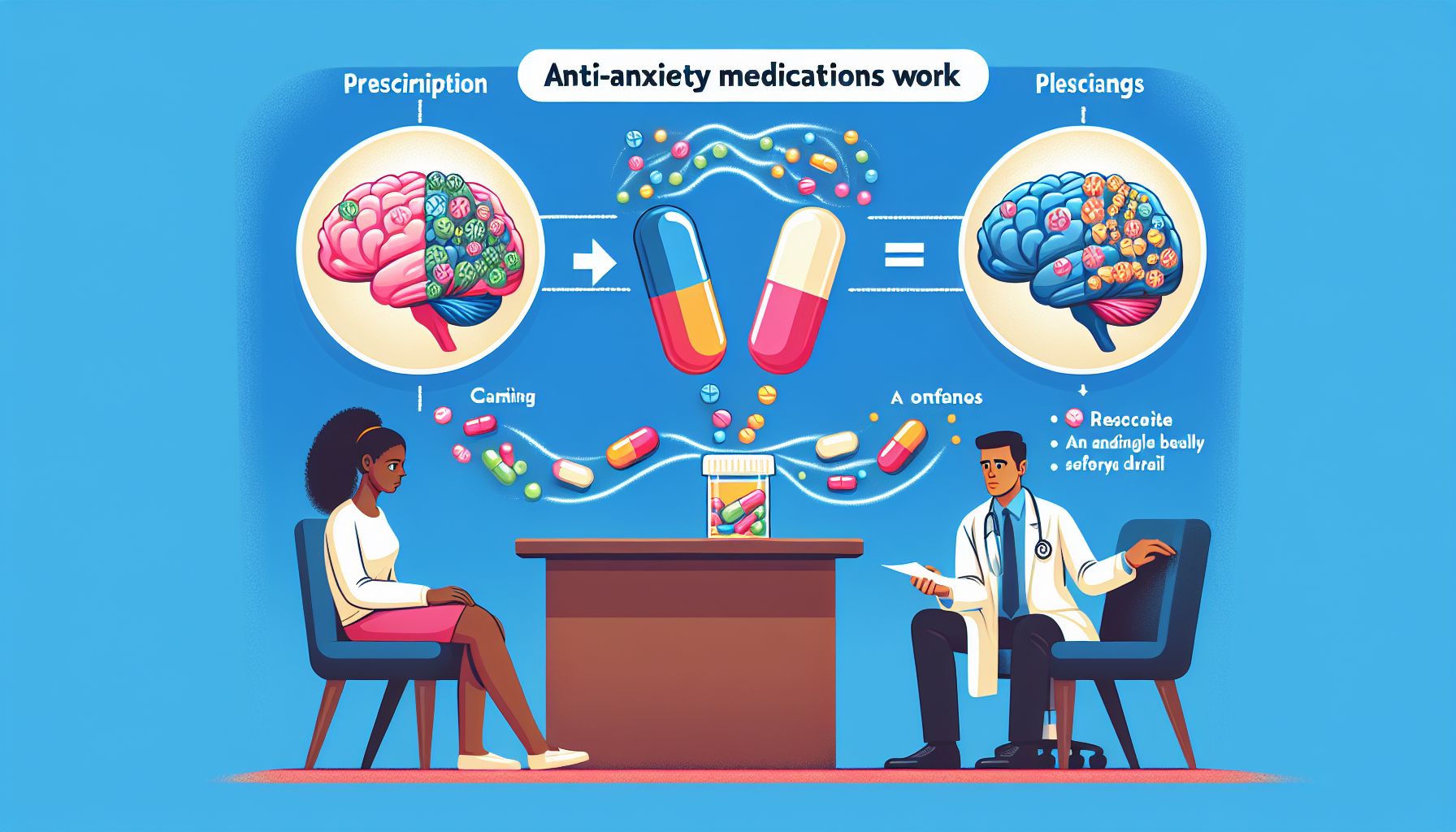
Choosing the right medication requires a personalized approach. Healthcare providers assess individual symptoms, medical history, and overall health before recommending treatment. It is essential to communicate openly about all symptoms and concerns.

Working with a Healthcare Provider

Open dialogue with a healthcare provider can lead to effective treatment plans. Regular follow-ups allow for adjustments based on how the individual responds to the medication. Patients should feel free to discuss side effects, concerns, and any changes in symptoms.

Non-Medication Options

Alongside medications, many beneficial non-medication options exist. Options such as therapy, mindfulness practices, and exercise can enhance overall mental health.

Therapy

Cognitive-behavioral therapy (CBT) is particularly effective for anxiety. It helps individuals identify and change negative thought patterns, leading to improved coping strategies.

Mindfulness and Relaxation Techniques

Practicing mindfulness, meditation, and yoga can help reduce anxiety. These techniques focus on present-moment awareness and physical relaxation.

Exercise

Regular physical activity releases endorphins, which are natural mood lifters. Exercise can also reduce tension and improve sleep, essential for those experiencing anxiety.

Conclusion

Prescription options for anxiety relief include benzodiazepines for short-term use and antidepressants for long-term management. While these medications can be effective, they are not the only solutions. Engaging in therapy, mindfulness practices, and regular exercise also plays a significant role in managing anxiety.

Always consult a healthcare provider to create a comprehensive treatment plan. For more information on anxiety medications, you can refer to trusted sources such as Mind and NIMH.

By choosing the right combination of medication, therapy, and lifestyle changes, individuals can effectively manage anxiety and improve their quality of life.
Anxiety Relief Options

Therapy Session

Anti Anxiety Medications How They Work and When They Are Prescribed

Anxiety affects millions of people worldwide. For some, it is a temporary issue. For others, anxiety can be a chronic condition. Anti-anxiety medications can help relieve symptoms. Understanding how these medications work and when they are prescribed is crucial for those considering treatment options.

What Are Anti-Anxiety Medications?

Anti-anxiety medications are drugs that help reduce feelings of anxiety. They are commonly prescribed for disorders like generalized anxiety disorder, panic disorder, and social anxiety disorder. These medications can make daily activities more manageable for those with anxiety.

Types of Anti-Anxiety Medications

Several classes of medications are available for anxiety treatment. Each type works differently in the body.

1. Benzodiazepines

Benzodiazepines are fast-acting medications. They enhance the effects of a neurotransmitter called gamma-aminobutyric acid (GABA). GABA helps calm the brain. Common benzodiazepines include:

  • Diazepam (Valium)
  • Alprazolam (Xanax)
  • Lorazepam (Ativan)

These medications can relieve anxiety quickly, but they carry a risk of dependence. Doctors usually prescribe them for short-term use.

2. Selective Serotonin Reuptake Inhibitors (SSRIs)

SSRIs are primarily used as antidepressants but can also help with anxiety. They work by increasing serotonin levels in the brain. Serotonin is a chemical that contributes to feelings of well-being. Common SSRIs include:

  • Fluoxetine (Prozac)
  • Sertraline (Zoloft)
  • Escitalopram (Lexapro)

SSRIs often take several weeks to show their full effects. They are considered safer for long-term use than benzodiazepines.

3. Serotonin-Norepinephrine Reuptake Inhibitors (SNRIs)

SNRIs also treat anxiety and depression. They increase serotonin and norepinephrine levels in the brain. These chemicals are crucial for mood regulation. Common SNRIs include:

  • Venlafaxine (Effexor)
  • Duloxetine (Cymbalta)

SNRIs can also take a few weeks to show benefits, similar to SSRIs.

4. Buspirone

Buspirone is an anti-anxiety medication that works differently from benzodiazepines and SSRIs. It affects serotonin and dopamine receptors in the brain. Buspirone is often prescribed for chronic anxiety and does not carry the same risk of dependence as benzodiazepines.

How Do These Medications Work?

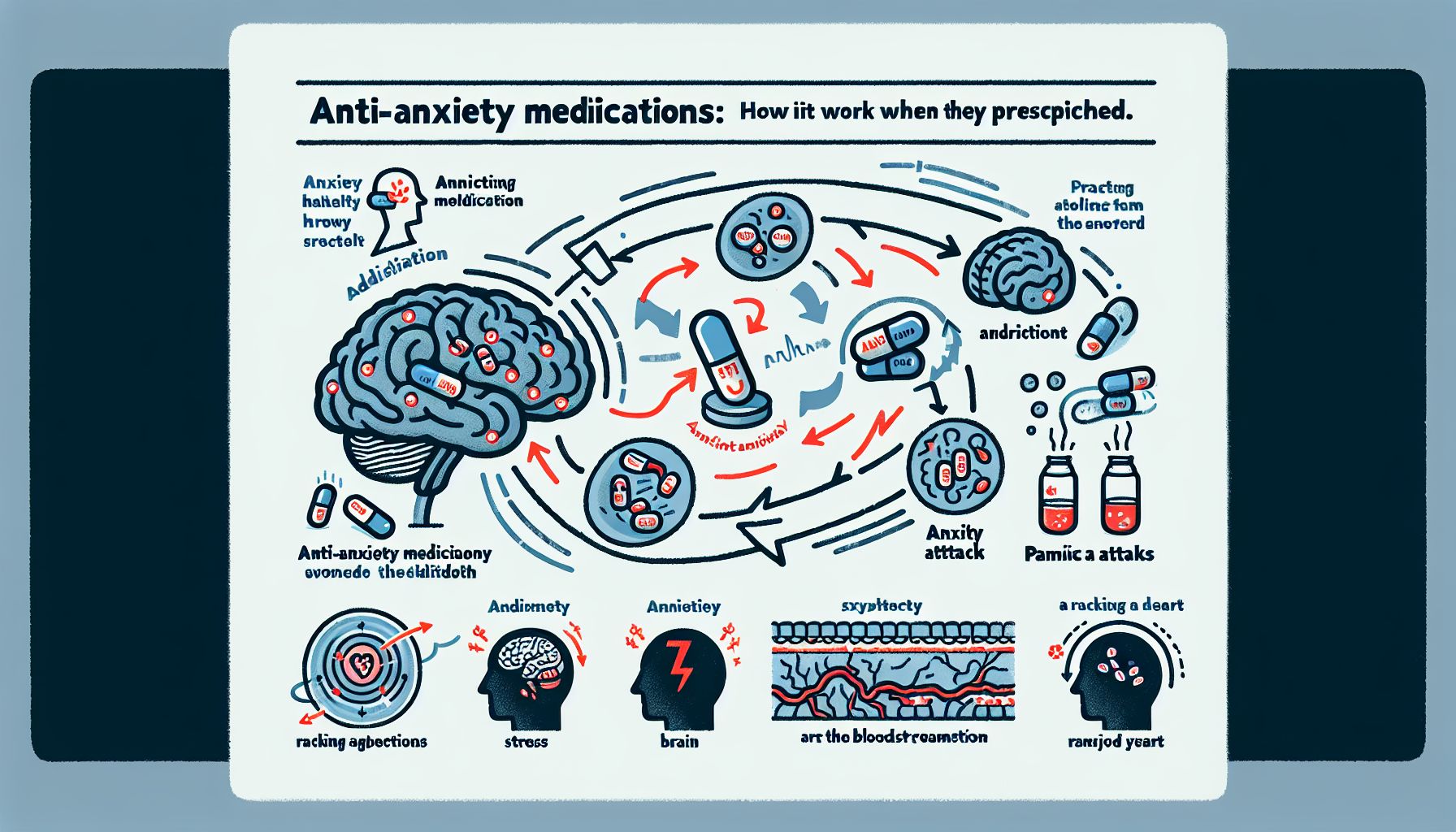
Anti-anxiety medications work by altering the balance of certain chemicals in the brain. These chemicals, known as neurotransmitters, play key roles in mood and anxiety regulation.

Benzodiazepines

Benzodiazepines enhance the effects of GABA. GABA is an inhibitory neurotransmitter. It reduces neuronal excitability throughout the nervous system. By increasing GABA’s effect, benzodiazepines produce a calming effect on the brain.

SSRIs and SNRIs

SSRIs and SNRIs focus on the serotonin and norepinephrine systems. By preventing the reuptake of these neurotransmitters, they increase their availability in the brain. This can help improve mood and reduce anxiety over time.

Buspirone

Buspirone works differently by affecting serotonin and dopamine receptors. It does not create the sedative effects typical of benzodiazepines. This makes it a popular option for chronic anxiety treatment.

When Are Anti-Anxiety Medications Prescribed?

Not everyone with anxiety needs medication. Doctors prescribe anti-anxiety medications based on specific criteria.

1. Severity of Symptoms

If anxiety symptoms are severe and disrupt daily life, doctors may recommend medications. Examples include persistent worry, panic attacks, and avoidance behavior.

2. Duration of Symptoms

If anxiety does not respond to lifestyle changes or therapy, medication may be considered. Chronic conditions often require a comprehensive treatment plan.

3. Other Treatments

Medications are often used alongside other forms of treatment. Cognitive-behavioral therapy (CBT) may be recommended to help manage anxiety long-term. Some patients benefit most from a combination of therapy and medication.

4. Type of Anxiety Disorder

The specific type of anxiety disorder can influence the choice of medication. For instance:

  • Panic Disorder: Benzodiazepines may be prescribed for quick relief during panic attacks.
  • Generalized Anxiety Disorder: SSRIs or SNRIs are often the first line of treatment.

Pros and Cons of Anti-Anxiety Medications

It is essential to consider both the advantages and drawbacks of anti-anxiety medications.

Pros

  • Quick Relief: Benzodiazepines can alleviate anxiety symptoms rapidly.
  • Improved Functioning: Medications can help patients return to daily activities.
  • Long-Term Management: SSRIs and SNRIs can provide long-lasting relief.

Cons

  • Dependence Risks: Benzodiazepines can lead to physical dependence if taken long-term.
  • Side Effects: All medications can cause side effects, including weight gain, fatigue, and nausea.
  • Delayed Effects: SSRIs and SNRIs may take time to become effective, which can be discouraging.

Conclusion

Anti-anxiety medications serve as effective tools in managing anxiety for many individuals. These medications help to adjust neurotransmitter levels in the brain, leading to reduced symptoms. However, they come with both benefits and risks. Always consult with a healthcare professional to find the most suitable treatment for your specific needs.

For more information on anti-anxiety medications, you can visit Healthline, Mayo Clinic, and WebMD.

If you want professional guidance, consider exploring options from Doctors Singh for anti-anxiety medications.

Anti-Anxiety Medications

Anxiety Treatment Options

Fast Acting Pain Relief Medicines for Acute Pain

Acute pain can disrupt daily life. Finding fast-acting pain relief is essential for quick recovery and comfort. This article discusses various types of pain relief medicines and how they work effectively for acute pain.

Understanding Acute Pain

Acute pain starts suddenly and usually lasts for a short time. It may result from injury, surgery, or specific medical conditions. The severity can range from mild to severe. Common examples include pain from a broken bone, a headache, or post-operative discomfort.

Types of Fast Acting Pain Relief Medicines

There are several categories of pain relief medicines. Here are the most common types:

Nonsteroidal Anti-Inflammatory Drugs (NSAIDs)

NSAIDs are commonly used for acute pain relief. They reduce inflammation and alleviate pain. Examples include:

  • Ibuprofen: Often used for headaches, menstrual cramps, and muscle pain. It works by blocking the enzymes that produce pain-causing substances in the body.

  • Naproxen: Similar to ibuprofen, it is effective for arthritis and muscle pain. Its longer duration of action makes it suitable for lasting relief.

Pros:
– Available over-the-counter
– Fast-acting

Cons:
– Possible side effects include stomach upset and ulcers
– May increase the risk of heart attack or stroke in certain individuals

Acetaminophen

Acetaminophen, known as paracetamol, is another popular option for pain relief. It is effective for headaches, muscle pain, and mild arthritis. It works by blocking pain signals in the brain.

Pros:
– Gentle on the stomach
– Fewer gastrointestinal side effects than NSAIDs

Cons:
– Overdose can lead to severe liver damage
– Does not reduce inflammation

Opioids

Opioids are potent pain relief medicines prescribed for severe acute pain. They include drugs such as morphine and oxycodone. They work by binding to opioid receptors in the brain, reducing the perception of pain.

Pros:
– Highly effective for severe pain

Cons:
– Risk of addiction and overdose
– Side effects may include drowsiness, nausea, and constipation

Topical Analgesics

Topical analgesics are creams or gels applied directly to the skin. They deliver pain relief without affecting the entire body. Common types include aspirin creams and capsaicin creams.

Pros:
– Targeted relief for localized pain
– Fewer systemic side effects

Cons:
– Limited effectiveness for deep pain
– Skin irritation may occur

Combination Medications

Combination medications often contain a mix of pain relievers like acetaminophen and ibuprofen. They can offer quick relief by addressing pain through different mechanisms.

Pros:
– Enhanced effectiveness
– Reduced chance of high doses of one medication

Cons:
– Potential for increased side effects from multiple ingredients
– Need for careful dosing

How to Choose the Right Pain Relief Medicine

Choosing the right pain relief medicine depends on several factors:

  1. Type of Pain: Identify whether the pain is mild, moderate, or severe.
  2. Duration of Action: Some medicines offer immediate relief, while others last longer.
  3. Medical History: Consider pre-existing conditions and potential interactions with other medications.
  4. Personal Preference: Consider any previous experiences with specific pain relief medications.

Consultation with Healthcare Professionals

It is wise to consult a healthcare professional before taking any pain relief medication. They can provide personalized advice based on individual health needs.

You can visit GOSH for more information on pain relief options and recommendations.

Storage and Handling of Pain Relief Medicines

Proper storage of pain relief medicines is crucial. Keep them in a cool, dry place away from children. Check expiration dates regularly and dispose of expired items responsibly.

Lifestyle Tips for Managing Acute Pain

Along with medications, certain lifestyle changes can help manage acute pain:

  • Rest: Allow the affected area to recover.
  • Ice or Heat: Use ice packs to reduce swelling or heat packs for muscle relaxation.
  • Hydration: Drink plenty of water to stay hydrated, which helps expedite recovery.
  • Gentle Movement: If appropriate, gentle movement can enhance blood flow and healing.

Conclusion

Fast-acting pain relief medicines can significantly improve comfort for those suffering from acute pain. NSAIDs, acetaminophen, opioids, topical analgesics, and combination medications each offer unique benefits and drawbacks. Understanding these options allows individuals to make informed choices about managing pain effectively. Always consult medical professionals to determine the best course of action for individual health needs.

For more information on pain management, refer to trusted medical websites like WebMD, Mayo Clinic, and Cleveland Clinic.

Pain Relief

Pain Awareness

Strong Painkillers for Chronic Pain What Patients Should Know

Chronic pain turns the lives of many people upside down and can have a seriously negative impact on daily activities. For some folks, it becomes absolutely necessary to reach for the stronger painkillers in order to keep that pain at bay. Understanding these medications is a top priority for patients. This article takes a look at the strong painkillers that get used to deal with chronic pain – their benefits, their risks, and what patients need to consider if they decide to use them.

The Basics of Chronic Pain

Chronic pain is pain that lingers on for more than three months. It can stem from a whole range of conditions – arthritis, fibromyalgia, nerve damage, to name a few. The kinds of pain that people with chronic pain experience can vary a lot, from sharp stabbing sensations to dull aches or throbs. When it comes to treating chronic pain, medications plus physical therapy and changing your lifestyle are often the usual suspects.

The Different Kinds of Strong Painkillers

Strong painkillers are generally split into two categories: opioids and non-opioids.

Opioids

Opioids are super powerful painkillers that don’t mess around. They work by binding to very specific receptors in the brain and the spinal cord. Some common ones include:

  • Morphine
  • Oxycodone
  • Hydrocodone
  • Fentanyl

Opioids can be a real lifesaver when it comes to chronic pain, but there’s always a risk.

Non-Opioid Medications

Non-opioid pain relievers can also be pretty potent. They include:

  • NSAIDs (Non-Steroidal Anti-Inflammatory Drugs): Examples are ibuprofen and naproxen. These medicines help reduce inflammation and ease pain.
  • Acetaminophen (Tylenol): This is a pretty common pain reliever that does the trick for mild to moderate pain.

The Pros and Cons of Strong Painkillers

The Good Stuff

  1. Really effective pain relief: Strong painkillers can make a huge difference in people’s lives.
  2. Quality of life improves: When pain levels go down, people can get back to living their lives to the fullest.
  3. Fast results: A lot of strong painkillers work pretty quick, so people can start feeling better fast.

The Not So Good Stuff

  1. Risk of addiction: Opioids in particular can be pretty addictive – especially if they’re not used carefully.
  2. Side effects: Some people may experience nausea, constipation, or drowsiness. And for others, the side effects can be way more serious.
  3. Building up a tolerance: Over time, people may need to take more of the medication just to get the same level of pain relief.

Safety First

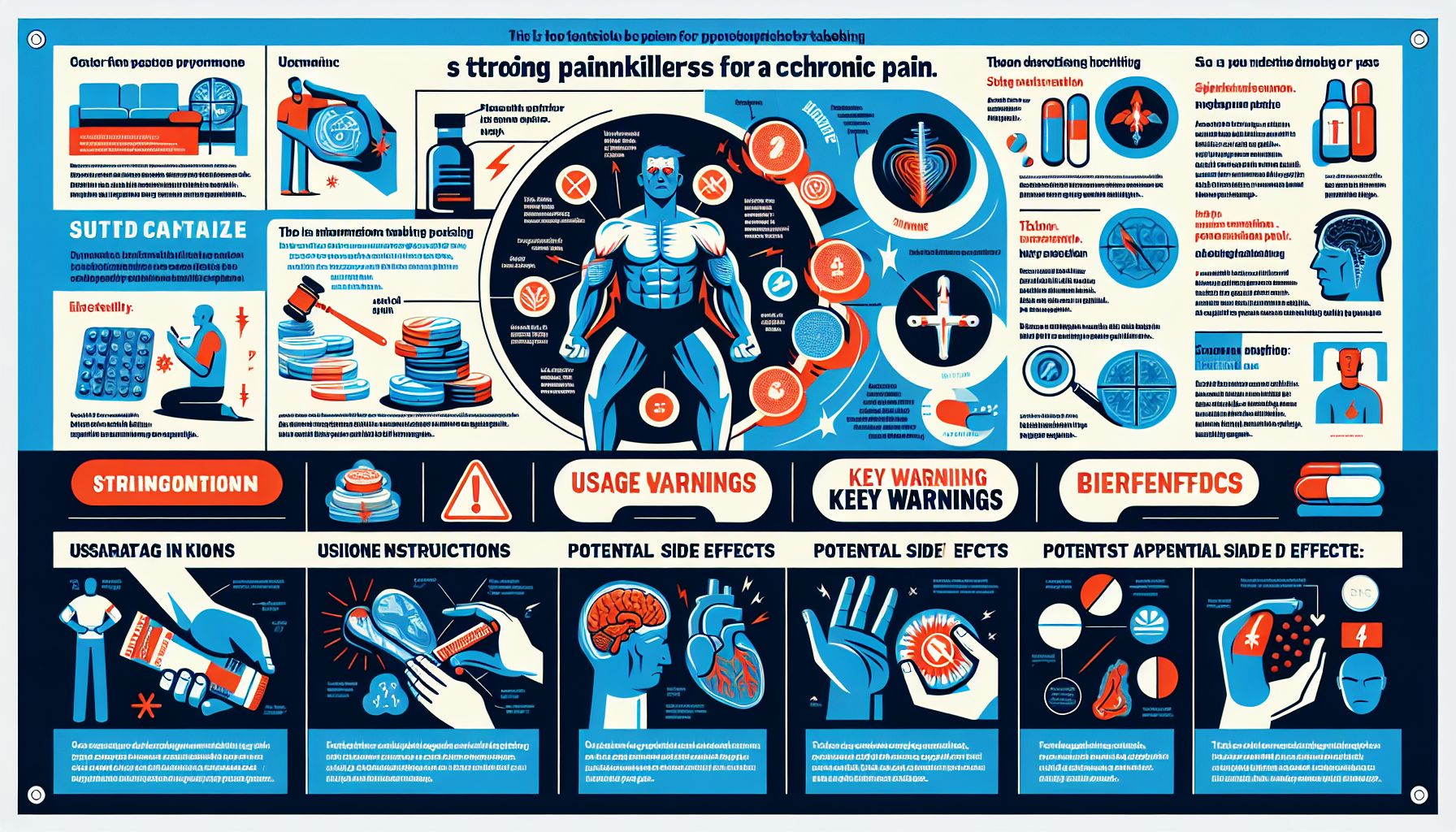
When it comes to taking strong painkillers, it’s all about safety. So here are the key things for patients to keep in mind:

  1. Talk to a doctor: Before starting or changing medications, have a chat with a healthcare provider. They can give guidance on what’s best for you.
  2. Follow the script: Taking medications as directed is super important. Don’t take more than prescribed.
  3. Watch out for interactions: Make sure to let the doctor know about any other medications you’re taking. Some of them don’t get on with painkillers.
  4. Keep an eye out for side effects: If you notice any side effects, let your healthcare provider know.

There Are Alternatives

There are a whole bunch of other pain management options that might just do the trick, or at least help reduce the need for strong painkillers. These include:

  • Physical therapy: A trained therapist can help you develop some exercises and strategies to manage your pain.
  • Cognitive behavioral therapy (CBT): This type of therapy is all about helping people cope with chronic pain.
  • Massage therapy: A professional massage can work wonders for easing tension and promoting some much-needed relaxation.
  • Acupuncture: This traditional practice uses super thin needles to stimulate points on the body – it may just help reduce pain.

When Are Strong Painkillers A Good Idea?

Patients with chronic pain may find that they need to use strong painkillers every now and then. These situations can include:

  1. Severe pain episodes: Strong painkillers might be necessary when chronic pain flares up.
  2. Post-surgery recovery: After surgery, people may need strong pain relief to deal with post-op pain.
  3. End-of-life care: When someone’s illness is at its most advanced, strong pain management is crucial for comfort.

The Bottom Line

Chronic pain can be a huge challenge to deal with. Strong painkillers can be a lifesaver, but they come with some serious risks. So patients need to get informed – know the benefits and drawbacks of these medications. And always talk to a healthcare provider to make the best choices for pain management.

For more information on pain relief options, check out MedlinePlus.

Helpful Resources

  • American Chronic Pain Association
  • National Institute of Neurological Disorders and Stroke
  • Pain Management and Addiction

Best Prescription Pain Relief Medications Explained for UK Patients

Pain can be an utterly debilitating experience . Many people seek out the help of healthcare professionals in order to manage their pain levels. There are a lot of prescription pain relief medications available that can make a big difference . This article is going to cover some of the most common prescription pain relief options for people living in the UK , including how they work , what benefits they provide , and what potential side effects to be aware of.

Types of Prescription Pain Relief Medications

Pain relief meds can be put into a few different categories. The main types are non-opioid analgesics, opioids, anti-inflammatory drugs, and what are known as adjuvant medications. Knowing which category a medication falls into can really help you figure out what options are available to you. Some pain relief meds can even be bought online in the UK.

Non-Opioid Analgesics

Non-opioid analgesics include medications such as paracetamol and what are called NSAIDs (non-steroidal anti-inflammatory drugs) . These are often the first course of treatment for people with mild to moderate pain.

Paracetamol

Paracetamol is one of the most widely used pain relief medications . It’s good for headaches, muscle aches, and osteoarthritis pain.

The Upsides

  • Generally easy to tolerate\
  • Not too likely to cause stomach issues\
  • Can be taken in combination with other medications

The Downsides

  • Taking too much can damage your liver\
  • Not as effective for severe pain

NSAIDs

NSAIDs, such as ibuprofen or naproxen, can help reduce both pain and inflammation. They’re useful for conditions like arthritis or back pain.

The Upsides

  • Can help with both pain and inflammation\
  • Available in different forms (tablets, gels)

The Downsides

  • Can cause stomach issues or stomach ulcers\
  • May cause a spike in blood pressure in some people

Opioids

Opioids are strong pain relief medications. They’re often used to treat more severe pain, such as cancer pain or pain following surgery. Some common opioids include codeine, tramadol, and morphine.

Codeine

Codeine is often prescribed for moderate pain, and it can be combined with paracetamol to enhance the effects.

The Upsides

  • Effective for moderate pain\
  • Can be taken in combination with other pain relievers

The Downsides

  • Can cause constipation and drowsiness\
  • With long-term use, the risk of dependence is higher

Tramadol

Tramadol is a less commonly used opioid, but it’s often prescribed when other pain relievers aren’t working.

The Upsides

  • Has a lower risk of addiction compared to stronger opioids\
  • Can be used to treat various types of pain

The Downsides

  • May cause nausea and dizziness in some people\
  • Can interact with other medications

Morphine

Morphine is a strong opioid used to treat severe pain, often in people with cancer.

The Upsides

  • Very effective at controlling severe pain\
  • Can be given in a variety of forms (oral, injectable)

The Downsides

  • High risk of dependence and tolerance
  • Common side effects include constipation and sedation

Anti-Inflammatory Drugs

Corticosteroids are what are known as anti-inflammatory medications. They can be used to treat inflammation and are effective in cases of autoimmune and inflammatory conditions.

Corticosteroids

Corticosteroids, such as prednisone, can reduce inflammation and suppress the immune response.

The Upsides

  • Very effective at reducing inflammation\
  • Can provide fast relief for certain conditions

The Downsides

  • Long-term use can lead to serious side effects (weight gain, diabetes)\
  • Often requires a gradual tapering process when stopping use

Adjuvant Medications

Adjuvant medications are used to enhance the effects of other pain relievers. These can include antidepressants and anticonvulsants.

Antidepressants

Certain antidepressants, like amitriptyline, can be effective in treating chronic pain.

The Upsides

  • Can help with neuropathic pain\
  • Can improve sleep quality

The Downsides

  • Side effects can include weight gain and dry mouth\
  • May take some time for the medication to start working

Anticonvulsants

Medications such as gabapentin and pregabalin are used to treat nerve pain.

The Upsides

  • Effective for certain types of neuropathic pain\
  • Generally easy to tolerate

The Downsides

  • Side effects can include dizziness and fatigue in some people\
  • May require some dose adjustments

When to Seek Medical Advice

If pain persists even after using over-the-counter medications, it’s a good idea to see a doctor. A healthcare professional can evaluate the cause of the pain and recommend appropriate prescription pain relief medications. If pain is impacting daily activities, don’t hesitate to reach out for help.

Considerations and Safety

Each medication has its benefits and risks, and it’s really important to discuss them with a doctor before starting any new medication.

Potential Drug Interactions: Always let your doctor know about any other medications you are taking, as some can interact and cause side effects or reduce effectiveness.

Dependency Risks: Opioids carry a risk of misuse, so using them as prescribed can help minimize potential issues.

Follow-Up: Regular check-ins with a healthcare provider can ensure that the treatment is working and adjust dosages when necessary.

Pain Relief Medications: What UK Patients Need to Know

For many of us in the UK who are living with chronic or severe pain, prescription pain relief meds can be a godsend. But with so many options out there, working out what’s what can be a real challenge. By getting clued up on the different types of pain relief meds, patients can make informed decisions with their healthcare team – but remember, always get the green light from a doc before jumping into anything new.

Further Reading & Support

  1. The NHS is a great place to start – check out their pain relief section for loads of useful info
  2. The British Pain Society has a wealth of advice on managing pain, so it’s well worth a look
  3. If you’re struggling, Pain UK offers fantastic advice & support to help you get on top of managing your pain – check ’em out for more info