

Anxiety affects millions of people worldwide. For some, it is a temporary issue. For others, anxiety can be a chronic condition. Anti-anxiety medications can help relieve symptoms. Understanding how these medications work and when they are prescribed is crucial for those considering treatment options.
What Are Anti-Anxiety Medications?
Anti-anxiety medications are drugs that help reduce feelings of anxiety. They are commonly prescribed for disorders like generalized anxiety disorder, panic disorder, and social anxiety disorder. These medications can make daily activities more manageable for those with anxiety.
Types of Anti-Anxiety Medications
Several classes of medications are available for anxiety treatment. Each type works differently in the body.
1. Benzodiazepines
Benzodiazepines are fast-acting medications. They enhance the effects of a neurotransmitter called gamma-aminobutyric acid (GABA). GABA helps calm the brain. Common benzodiazepines include:
- Diazepam (Valium)
- Alprazolam (Xanax)
- Lorazepam (Ativan)
These medications can relieve anxiety quickly, but they carry a risk of dependence. Doctors usually prescribe them for short-term use.
2. Selective Serotonin Reuptake Inhibitors (SSRIs)
SSRIs are primarily used as antidepressants but can also help with anxiety. They work by increasing serotonin levels in the brain. Serotonin is a chemical that contributes to feelings of well-being. Common SSRIs include:
- Fluoxetine (Prozac)
- Sertraline (Zoloft)
- Escitalopram (Lexapro)
SSRIs often take several weeks to show their full effects. They are considered safer for long-term use than benzodiazepines.
3. Serotonin-Norepinephrine Reuptake Inhibitors (SNRIs)
SNRIs also treat anxiety and depression. They increase serotonin and norepinephrine levels in the brain. These chemicals are crucial for mood regulation. Common SNRIs include:
- Venlafaxine (Effexor)
- Duloxetine (Cymbalta)
SNRIs can also take a few weeks to show benefits, similar to SSRIs.
4. Buspirone
Buspirone is an anti-anxiety medication that works differently from benzodiazepines and SSRIs. It affects serotonin and dopamine receptors in the brain. Buspirone is often prescribed for chronic anxiety and does not carry the same risk of dependence as benzodiazepines.
How Do These Medications Work?
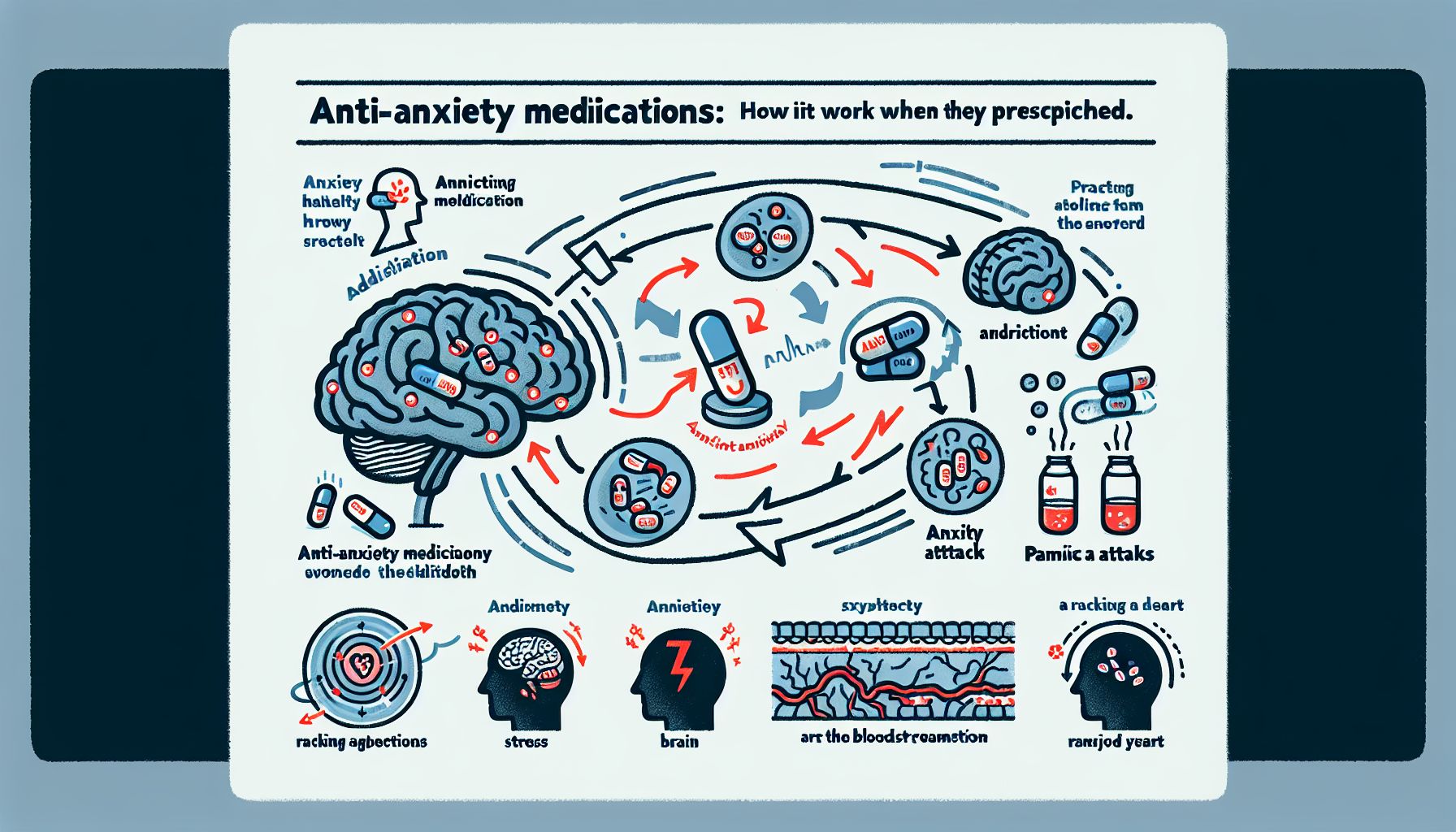
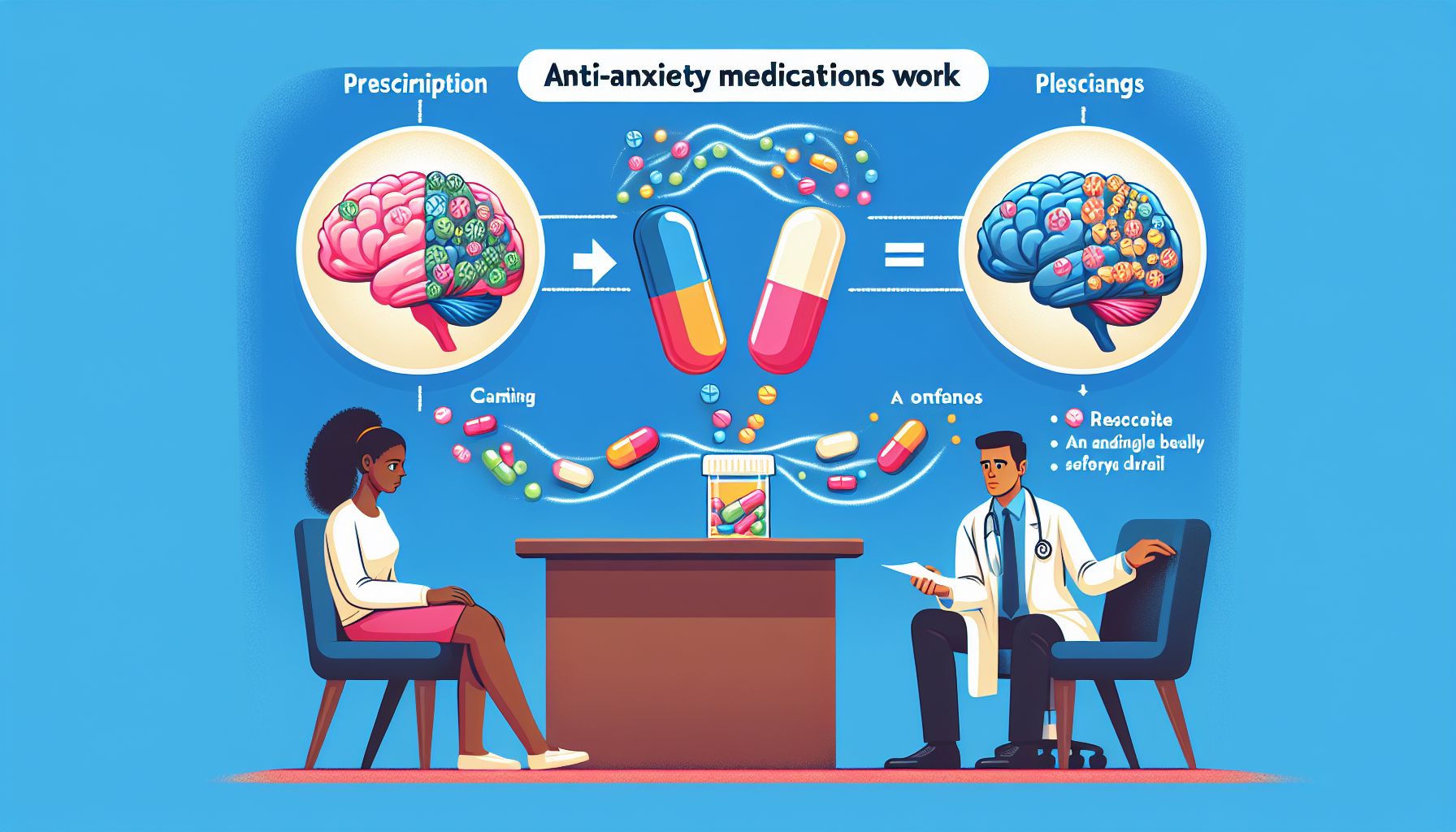
Anti-anxiety medications work by altering the balance of certain chemicals in the brain. These chemicals, known as neurotransmitters, play key roles in mood and anxiety regulation.
Benzodiazepines
Benzodiazepines enhance the effects of GABA. GABA is an inhibitory neurotransmitter. It reduces neuronal excitability throughout the nervous system. By increasing GABA’s effect, benzodiazepines produce a calming effect on the brain.
SSRIs and SNRIs
SSRIs and SNRIs focus on the serotonin and norepinephrine systems. By preventing the reuptake of these neurotransmitters, they increase their availability in the brain. This can help improve mood and reduce anxiety over time.
Buspirone
Buspirone works differently by affecting serotonin and dopamine receptors. It does not create the sedative effects typical of benzodiazepines. This makes it a popular option for chronic anxiety treatment.
When Are Anti-Anxiety Medications Prescribed?
Not everyone with anxiety needs medication. Doctors prescribe anti-anxiety medications based on specific criteria.
1. Severity of Symptoms
If anxiety symptoms are severe and disrupt daily life, doctors may recommend medications. Examples include persistent worry, panic attacks, and avoidance behavior.
2. Duration of Symptoms
If anxiety does not respond to lifestyle changes or therapy, medication may be considered. Chronic conditions often require a comprehensive treatment plan.
3. Other Treatments
Medications are often used alongside other forms of treatment. Cognitive-behavioral therapy (CBT) may be recommended to help manage anxiety long-term. Some patients benefit most from a combination of therapy and medication.
4. Type of Anxiety Disorder
The specific type of anxiety disorder can influence the choice of medication. For instance:
- Panic Disorder: Benzodiazepines may be prescribed for quick relief during panic attacks.
- Generalized Anxiety Disorder: SSRIs or SNRIs are often the first line of treatment.
Pros and Cons of Anti-Anxiety Medications
It is essential to consider both the advantages and drawbacks of anti-anxiety medications.
Pros
- Quick Relief: Benzodiazepines can alleviate anxiety symptoms rapidly.
- Improved Functioning: Medications can help patients return to daily activities.
- Long-Term Management: SSRIs and SNRIs can provide long-lasting relief.
Cons
- Dependence Risks: Benzodiazepines can lead to physical dependence if taken long-term.
- Side Effects: All medications can cause side effects, including weight gain, fatigue, and nausea.
- Delayed Effects: SSRIs and SNRIs may take time to become effective, which can be discouraging.
Conclusion
Anti-anxiety medications serve as effective tools in managing anxiety for many individuals. These medications help to adjust neurotransmitter levels in the brain, leading to reduced symptoms. However, they come with both benefits and risks. Always consult with a healthcare professional to find the most suitable treatment for your specific needs.
For more information on anti-anxiety medications, you can visit Healthline, Mayo Clinic, and WebMD.
If you want professional guidance, consider exploring options from Doctors Singh for anti-anxiety medications.