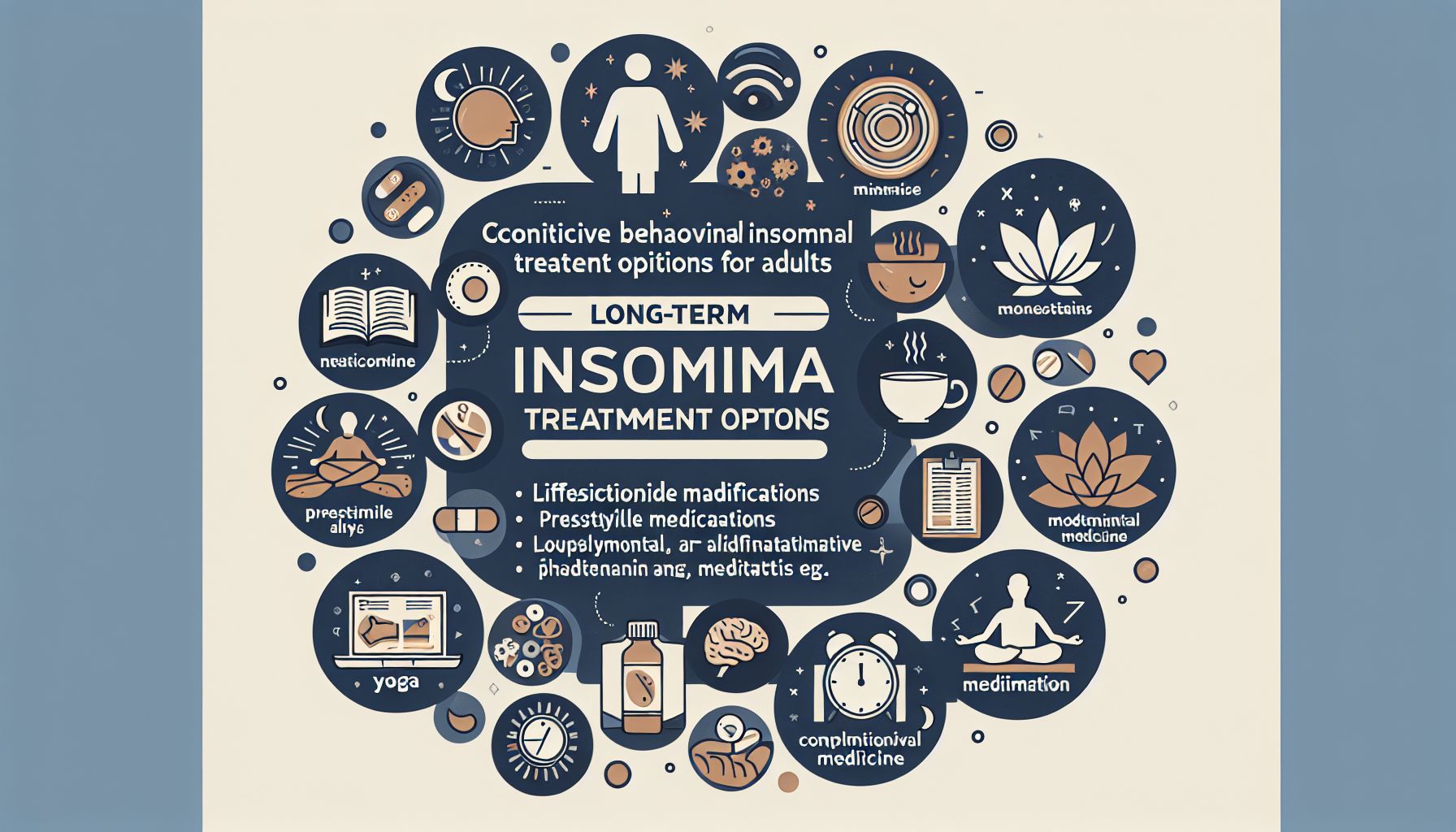

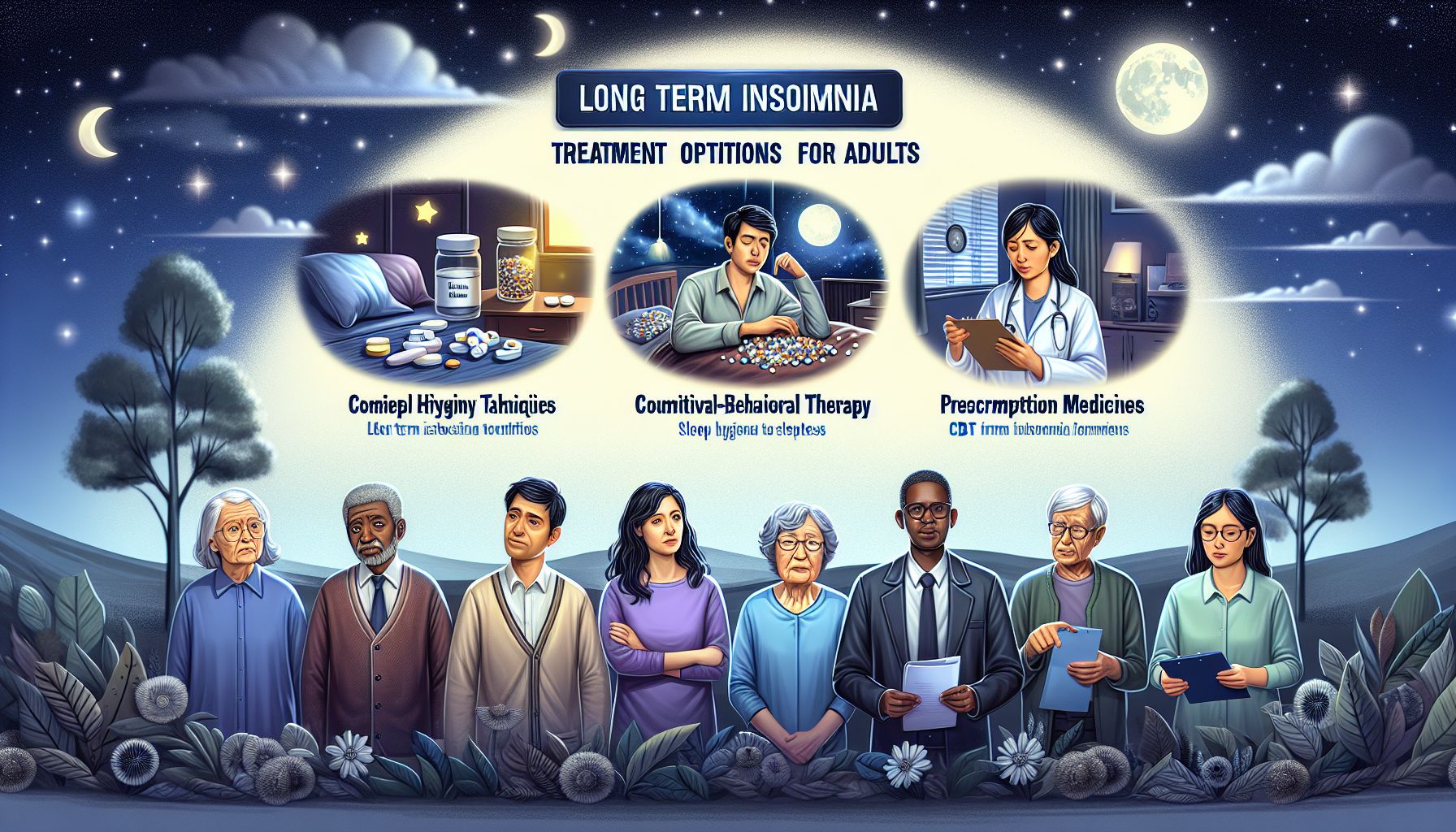
Long-term insomnia affects many adults. It can lead to fatigue, mood changes, and difficulty concentrating. Treating this condition requires a combination of methods, including behavioral therapies, lifestyle changes, and medical treatments. This article explores various options for treating long-term insomnia.
Understanding Insomnia
Insomnia is defined as difficulty falling asleep or staying asleep. It can occur occasionally or be a chronic issue lasting for months. Common causes include stress, anxiety, health conditions, and certain medications. Recognizing the root cause is essential for effective treatment.
Behavioral Therapies
Behavioral therapy is often the first line of defense against insomnia. It focuses on changing sleep habits and thoughts about sleep.
Cognitive Behavioral Therapy for Insomnia (CBT-I)
CBT-I is an effective treatment for insomnia. It helps patients identify and change negative thoughts about sleep. This approach includes several components:
- Sleep Education: Patients learn about sleep cycles and the importance of sleep hygiene.
- Cognitive Restructuring: This technique helps patients challenge unhelpful beliefs about sleep.
- Stimulus Control: This method encourages patients to associate the bed with sleep only.
Research shows that CBT-I improves sleep quality and reduces insomnia symptoms in many adults.
Sleep Restriction Therapy
Sleep restriction therapy limits the time spent in bed to match actual sleep time. This technique helps consolidate sleep and improve sleep efficiency. It may feel challenging initially as patients may experience increased sleepiness but usually leads to better rest over time.
Relaxation Techniques
Relaxation methods can reduce anxiety and promote easier sleep. Options include:
- Progressive Muscle Relaxation: This technique involves tensing and relaxing muscle groups.
- Deep Breathing Exercises: Focusing on breath can calm the mind.
- Mindfulness Meditation: Mindfulness practices help center the mind and reduce stress.
Incorporating these techniques into a nightly routine can enhance overall sleep quality.
Lifestyle Changes
Making healthy lifestyle changes can also support better sleep. Adopting consistent habits can have a significant impact on insomnia.
Sleep Hygiene
Good sleep hygiene practices are vital. These include:
- Regular Sleep Schedule: Go to bed and wake up at the same time every day.
- Comfortable Sleep Environment: Ensure a dark, quiet, and cool bedroom.
- Limit Screen Time: Avoid screens at least one hour before bed to reduce blue light exposure.
These small adjustments can create a more conducive environment for sleep.
Diet and Exercise
Diet plays a crucial role in sleep quality. Some helpful tips include:
- Limit Caffeine and Alcohol: Reduce intake, especially in the hours leading up to bedtime.
- Healthy Eating: Include foods that promote sleep, such as almonds, turkey, and bananas.
Exercise also benefits sleep. Aim for at least 30 minutes of moderate exercise most days. However, avoid vigorous workouts close to bedtime.
Medical Treatments
If behavioral changes and lifestyle adjustments do not improve sleep, medical treatments may be necessary.
Over-the-Counter Medications
Some adults use over-the-counter sleep aids, such as diphenhydramine (Benadryl) and melatonin. These medications can provide short-term relief but may not address the root cause of insomnia.
Prescription Medications
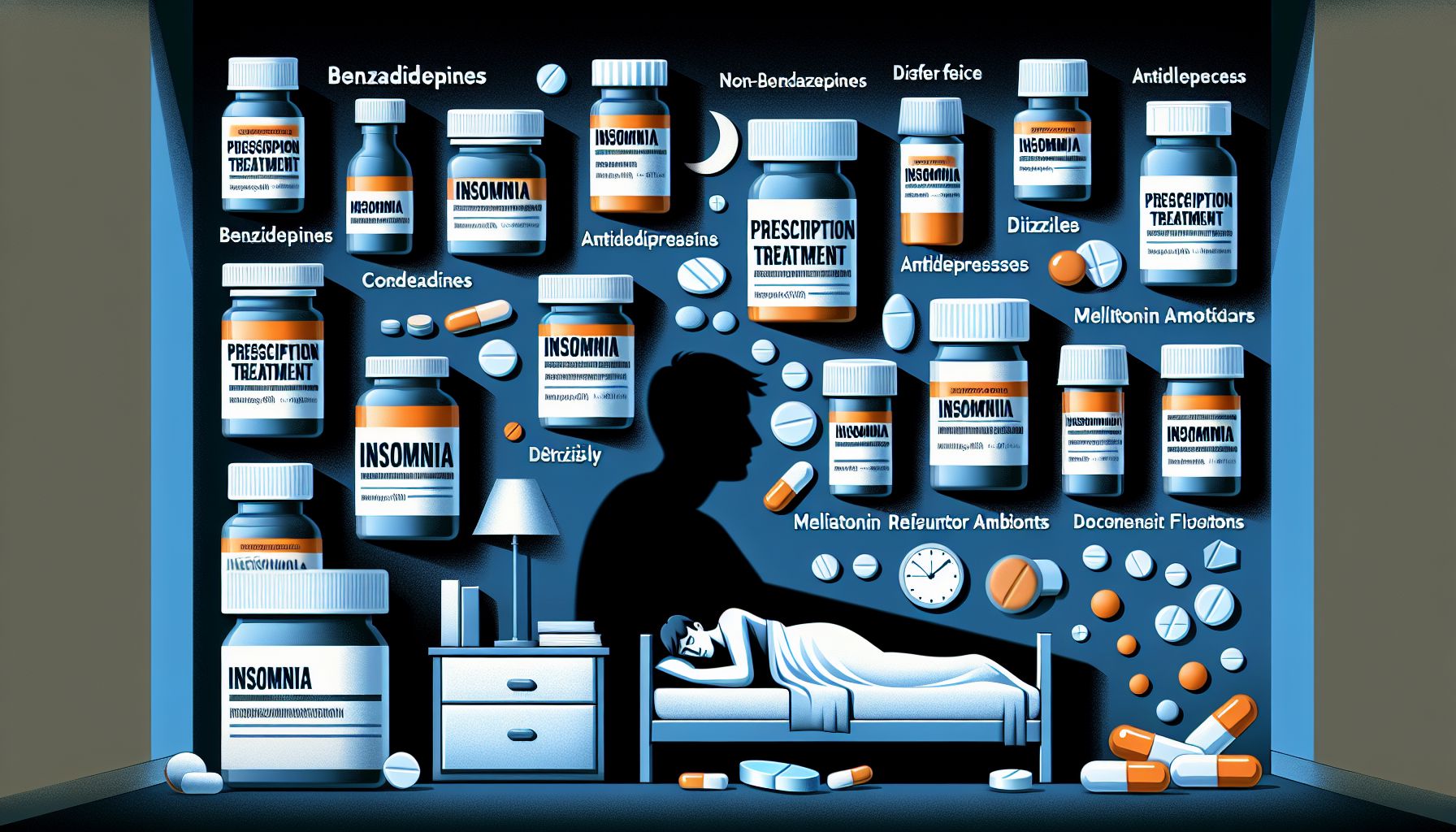
For chronic insomnia, doctors may prescribe medications. Common prescription options include:
- Benzodiazepines: Such as diazepam (Valium) and lorazepam (Ativan). These drugs are effective but may lead to dependence if used long-term.
- Non-benzodiazepine Sedative Hypnotics: Such as zolpidem (Ambien) and eszopiclone (Lunesta). These are generally preferred due to a lower risk of dependence.
- Antidepressants: Certain antidepressants, like trazodone, can help improve sleep.
It’s important to discuss the risks and benefits of these medications with a healthcare provider.
For more information on various anti insomnia medications, visit WebMD’s page on drug treatments.
Complementary Therapies
In addition to traditional treatments, some adults explore complementary therapies to aid sleep.
Acupuncture
Acupuncture involves the insertion of thin needles into specific body points. Some studies suggest it may help improve sleep and reduce insomnia symptoms.
Herbal Remedies
Various herbal products are used to promote sleep, including:
- Valerian Root: Many people take valerian tea or supplements for sleep aid.
- Chamomile: Drinking chamomile tea can help calm the mind.
Always consult a healthcare professional before starting any herbal treatment, as these can interact with medications.
Pros and Cons of Treatment Options
Behavioral Therapies
Pros:
– No medication side effects.
– Can lead to long-lasting improvements.
– Teaches coping skills.
Cons:
– Requires a commitment of time and effort.
– May take longer to see results compared to medications.
Lifestyle Changes
Pros:
– Usually free or low-cost.
– Improves overall health and well-being.
– Provides immediate benefits.
Cons:
– Requires consistency and dedication.
– May not sufficiently address severe insomnia.
Medical Treatments
Pros:
– Can provide quick relief from symptoms.
– Useful for severe insomnia cases.
Cons:
– Potential side effects and risk of dependence.
– Do not address underlying causes.
Complementary Therapies
Pros:
– Can provide a holistic approach to treatment.
– Few side effects compared to medications.
Cons:
– Limited scientific evidence for effectiveness.
– May not be covered by insurance.
Conclusion
Long-term insomnia can significantly impact daily life. Various treatment options are available, including behavioral therapies, lifestyle changes, medical treatments, and complementary therapies. It is essential for individuals experiencing insomnia to assess their situations and choose the path that best suits their needs. Consulting with a healthcare provider can guide effective treatment and stimulate better sleep patterns.
For further insights and guidelines, consider exploring these trustworthy resources:
– American Academy of Sleep Medicine
– National Sleep Foundation
– Mayo Clinic on Sleep Disorders
Adopting a comprehensive approach, mixing different methods, often yields the best results for long-term insomnia. Sleep well!