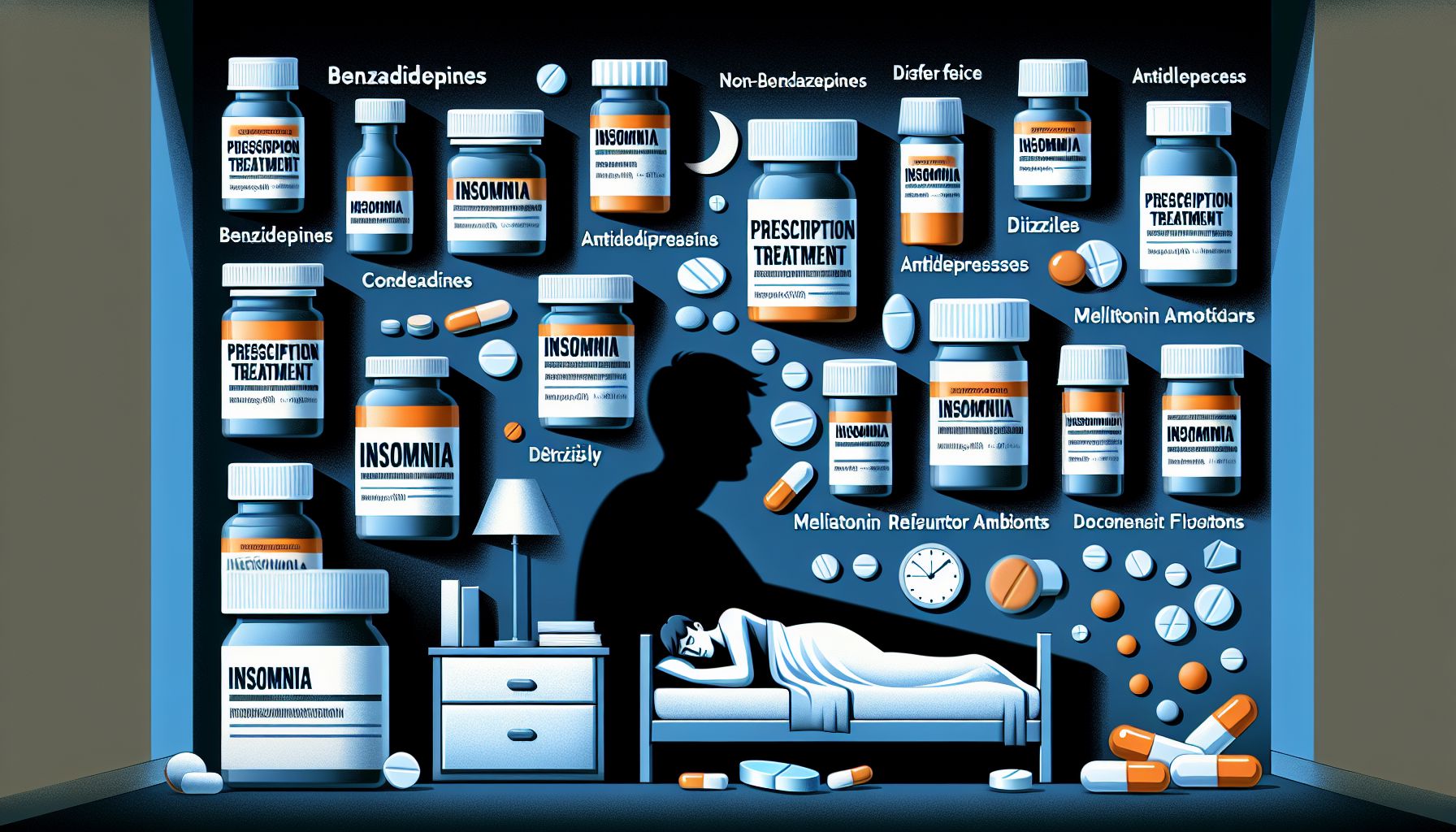


Insomnia affects millions of people worldwide. Many struggle to fall asleep or stay asleep. This can lead to tiredness and reduced quality of life. In some cases, a doctor may suggest prescription medications. Understanding these treatments can help you make informed decisions.
Types of Prescription Medications
Several types of prescription medications are available for insomnia. These fall into different categories based on their active ingredients. Each category has unique features.
Benzodiazepines
Benzodiazepines are a common group of medications prescribed for insomnia. They work by calming the brain and helping you sleep. Examples include:
- Temazepam (Restoril)
- Triazolam (Halcion)
- Estazolam (ProSom)
These medications can be effective, but they may also lead to dependence. A doctor often prescribes them for short-term use.
Non-Benzodiazepine Sleep Aids
Another option is non-benzodiazepine sleep aids. These drugs are designed to help you sleep without the risks associated with benzodiazepines. Common examples include:
- Zolpidem (Ambien)
- Eszopiclone (Lunesta)
- Zaleplon (Sonata)
These medications can be effective for many. However, they may cause side effects like dizziness or daytime drowsiness.
Melatonin Receptor Agonists
Melatonin receptor agonists are another class of medications. They mimic the natural hormone melatonin, which regulates sleep-wake cycles. An example is:
- Ramelteon (Rozerem)
This medication is often used for individuals who have trouble falling asleep. It is less likely to cause dependence than other sleep medications.
Antidepressants
Some antidepressants can also help with insomnia. These are prescribed for people who have both depression and sleep issues. Common options include:
- Trazodone
- Doxepin (Silenor)
These medications can improve sleep by addressing underlying mood disorders.
Over-the-Counter Options
Some people may also consider over-the-counter (OTC) medications. While these do not require a prescription, they can provide temporary relief from insomnia. Common OTC options include:
- Diphenhydramine (Benadryl)
- Doxylamine (Unisom)
These medications can cause sedation but may not be suitable for long-term use.
What to Expect When Using Prescription Medications
Using prescription medications for insomnia can lead to improvements. However, it is important to understand what to expect.
Initial Evaluation
A doctor will first evaluate your sleep patterns and overall health. This may involve answering questions about your sleep habits and medical history. After evaluation, the doctor will suggest a treatment plan.
Dosage
Your doctor will prescribe a specific dosage. It is essential to follow this dosage carefully. Do not take more than prescribed. If the medication does not work or causes side effects, contact your doctor for adjustments.
Duration of Use
Many sleeping medications are meant for short-term use. Depending on the medication, your doctor may recommend using it for a few days to several weeks. Continuous use can lead to dependence or tolerance.
Monitoring Effects
Keep track of how the medication affects your sleep. Note any changes in your mood or energy levels. Report any side effects to your doctor. This information will help adjust your treatment if needed.
Pros and Cons of Prescription Treatments
Prescription treatments for insomnia come with benefits and drawbacks. Understanding these can help you make an informed choice.
Pros
- Quick Relief: Many medications work quickly to promote sleep.
- Variety of Options: Several types of medications are available to suit different needs.
- Consultation with a Doctor: You will have professional guidance for managing your insomnia.
Cons
- Side Effects: Many medications can cause side effects like drowsiness or dizziness.
- Dependence: Some medications can lead to physical reliance, making it hard to sleep without them.
- Short-term Solution: Many medications only provide temporary relief. Lifestyle changes may also be necessary for long-term improvement.
Alternatives to Prescription Medications
While prescription medications can be helpful, exploring alternatives is also important. Lifestyle changes may improve sleep quality.
Sleep Hygiene
Practicing good sleep hygiene can significantly impact your ability to sleep. Focus on the following tips:
- Consistent Schedule: Go to bed and wake up at the same time every day.
- Comfortable Environment: Ensure your bedroom is dark, quiet, and cool.
- Limit Stimulants: Avoid caffeine and nicotine, especially in the afternoon and evening.
Cognitive Behavioral Therapy for Insomnia (CBT-I)
CBT-I is a structured program that helps people change thoughts and behaviors that cause sleep issues. It has been proven effective for long-term improvement without medication. Finding a therapist who specializes in CBT-I can be beneficial.
Relaxation Techniques
Incorporating relaxation techniques may improve sleep quality. Consider trying:
- Meditation
- Deep Breathing Exercises
- Gentle Yoga
These methods can reduce stress and promote better sleep.
When to Contact Your Doctor
If you have trouble sleeping for several weeks, seek help from a healthcare professional. It is especially important if your insomnia:
- Affects daily activities.
- Causes persistent anxiety or depression.
- Includes thoughts of self-harm.
Your doctor can help identify underlying issues and recommend appropriate treatments.
Conclusion
Prescription treatments for insomnia provide options for improving sleep. Understanding the types of medications, what to expect, and alternatives can empower you to make informed decisions. Consult healthcare professionals to explore the best options for your sleep needs. For more detailed information on insomnia and treatment options, visit anti insomnia.
For additional resources, consider these trustworthy websites:
– National Sleep Foundation
– Mayo Clinic – Insomnia
– WebMD – Insomnia Overview