

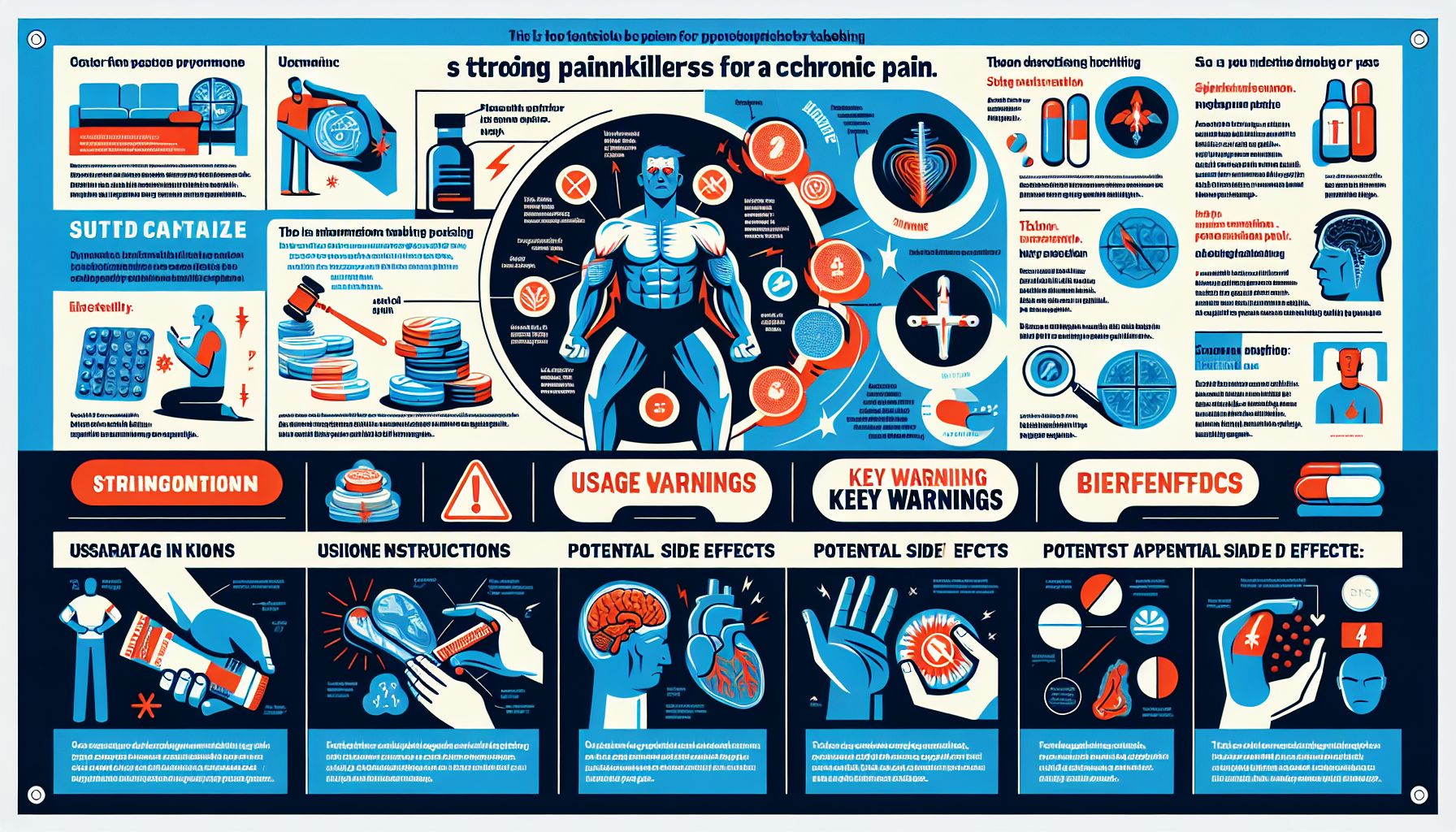
Chronic pain turns the lives of many people upside down and can have a seriously negative impact on daily activities. For some folks, it becomes absolutely necessary to reach for the stronger painkillers in order to keep that pain at bay. Understanding these medications is a top priority for patients. This article takes a look at the strong painkillers that get used to deal with chronic pain – their benefits, their risks, and what patients need to consider if they decide to use them.
The Basics of Chronic Pain
Chronic pain is pain that lingers on for more than three months. It can stem from a whole range of conditions – arthritis, fibromyalgia, nerve damage, to name a few. The kinds of pain that people with chronic pain experience can vary a lot, from sharp stabbing sensations to dull aches or throbs. When it comes to treating chronic pain, medications plus physical therapy and changing your lifestyle are often the usual suspects.
The Different Kinds of Strong Painkillers
Strong painkillers are generally split into two categories: opioids and non-opioids.
Opioids
Opioids are super powerful painkillers that don’t mess around. They work by binding to very specific receptors in the brain and the spinal cord. Some common ones include:
- Morphine
- Oxycodone
- Hydrocodone
- Fentanyl
Opioids can be a real lifesaver when it comes to chronic pain, but there’s always a risk.
Non-Opioid Medications
Non-opioid pain relievers can also be pretty potent. They include:
- NSAIDs (Non-Steroidal Anti-Inflammatory Drugs): Examples are ibuprofen and naproxen. These medicines help reduce inflammation and ease pain.
- Acetaminophen (Tylenol): This is a pretty common pain reliever that does the trick for mild to moderate pain.
The Pros and Cons of Strong Painkillers
The Good Stuff
- Really effective pain relief: Strong painkillers can make a huge difference in people’s lives.
- Quality of life improves: When pain levels go down, people can get back to living their lives to the fullest.
- Fast results: A lot of strong painkillers work pretty quick, so people can start feeling better fast.
The Not So Good Stuff
- Risk of addiction: Opioids in particular can be pretty addictive – especially if they’re not used carefully.
- Side effects: Some people may experience nausea, constipation, or drowsiness. And for others, the side effects can be way more serious.
- Building up a tolerance: Over time, people may need to take more of the medication just to get the same level of pain relief.
Safety First
When it comes to taking strong painkillers, it’s all about safety. So here are the key things for patients to keep in mind:
- Talk to a doctor: Before starting or changing medications, have a chat with a healthcare provider. They can give guidance on what’s best for you.
- Follow the script: Taking medications as directed is super important. Don’t take more than prescribed.
- Watch out for interactions: Make sure to let the doctor know about any other medications you’re taking. Some of them don’t get on with painkillers.
- Keep an eye out for side effects: If you notice any side effects, let your healthcare provider know.
There Are Alternatives
There are a whole bunch of other pain management options that might just do the trick, or at least help reduce the need for strong painkillers. These include:
- Physical therapy: A trained therapist can help you develop some exercises and strategies to manage your pain.
- Cognitive behavioral therapy (CBT): This type of therapy is all about helping people cope with chronic pain.
- Massage therapy: A professional massage can work wonders for easing tension and promoting some much-needed relaxation.
- Acupuncture: This traditional practice uses super thin needles to stimulate points on the body – it may just help reduce pain.
When Are Strong Painkillers A Good Idea?
Patients with chronic pain may find that they need to use strong painkillers every now and then. These situations can include:
- Severe pain episodes: Strong painkillers might be necessary when chronic pain flares up.
- Post-surgery recovery: After surgery, people may need strong pain relief to deal with post-op pain.
- End-of-life care: When someone’s illness is at its most advanced, strong pain management is crucial for comfort.
The Bottom Line
Chronic pain can be a huge challenge to deal with. Strong painkillers can be a lifesaver, but they come with some serious risks. So patients need to get informed – know the benefits and drawbacks of these medications. And always talk to a healthcare provider to make the best choices for pain management.
For more information on pain relief options, check out MedlinePlus.
Helpful Resources
- American Chronic Pain Association
- National Institute of Neurological Disorders and Stroke
- Pain Management and Addiction