
Anxiety can impact daily life significantly. It may disrupt personal relationships, work, and general well-being. Many people seek relief through medication. This article explores prescription options for anxiety relief, focusing on both short-term and long-term use.
Understanding Anxiety Medications
Anxiety medications primarily fall into two categories: benzodiazepines and antidepressants. Each type serves different purposes and suits varied treatment plans.
Benzodiazepines
Benzodiazepines act quickly. They help manage acute anxiety symptoms. Common benzodiazepines include:
- Alprazolam (Xanax)
- Lorazepam (Ativan)
- Diazepam (Valium)
These medications work by enhancing the effect of a neurotransmitter called gamma-aminobutyric acid (GABA) in the brain. This leads to a calming effect.
Pros and Cons of Benzodiazepines
Pros:
- Fast-acting relief: Users typically notice effects within 30 minutes.
- Effective for panic attacks: They can quickly reduce overwhelming anxiety.
Cons:
- Risk of dependence: Long-term use can lead to addiction.
- Withdrawal symptoms: Stopping suddenly may cause severe anxiety or seizures.
Antidepressants
Antidepressants are often used for chronic anxiety. They take longer to work, usually requiring several weeks before noticing effects. Common types include:
- Selective Serotonin Reuptake Inhibitors (SSRIs): Fluoxetine (Prozac), Sertraline (Zoloft)
- Serotonin-Norepinephrine Reuptake Inhibitors (SNRIs): Venlafaxine (Effexor XR), Duloxetine (Cymbalta)
These medications increase levels of serotonin and norepinephrine in the brain, improving mood and anxiety levels over time.
Pros and Cons of Antidepressants
Pros:
- Long-term management: Suitable for chronic anxiety disorders.
- Less addictive: They have a lower risk of dependence compared to benzodiazepines.
Cons:
- Delayed onset: Users may wait weeks for benefits.
- Side effects: Possible side effects include weight gain, nausea, and insomnia.
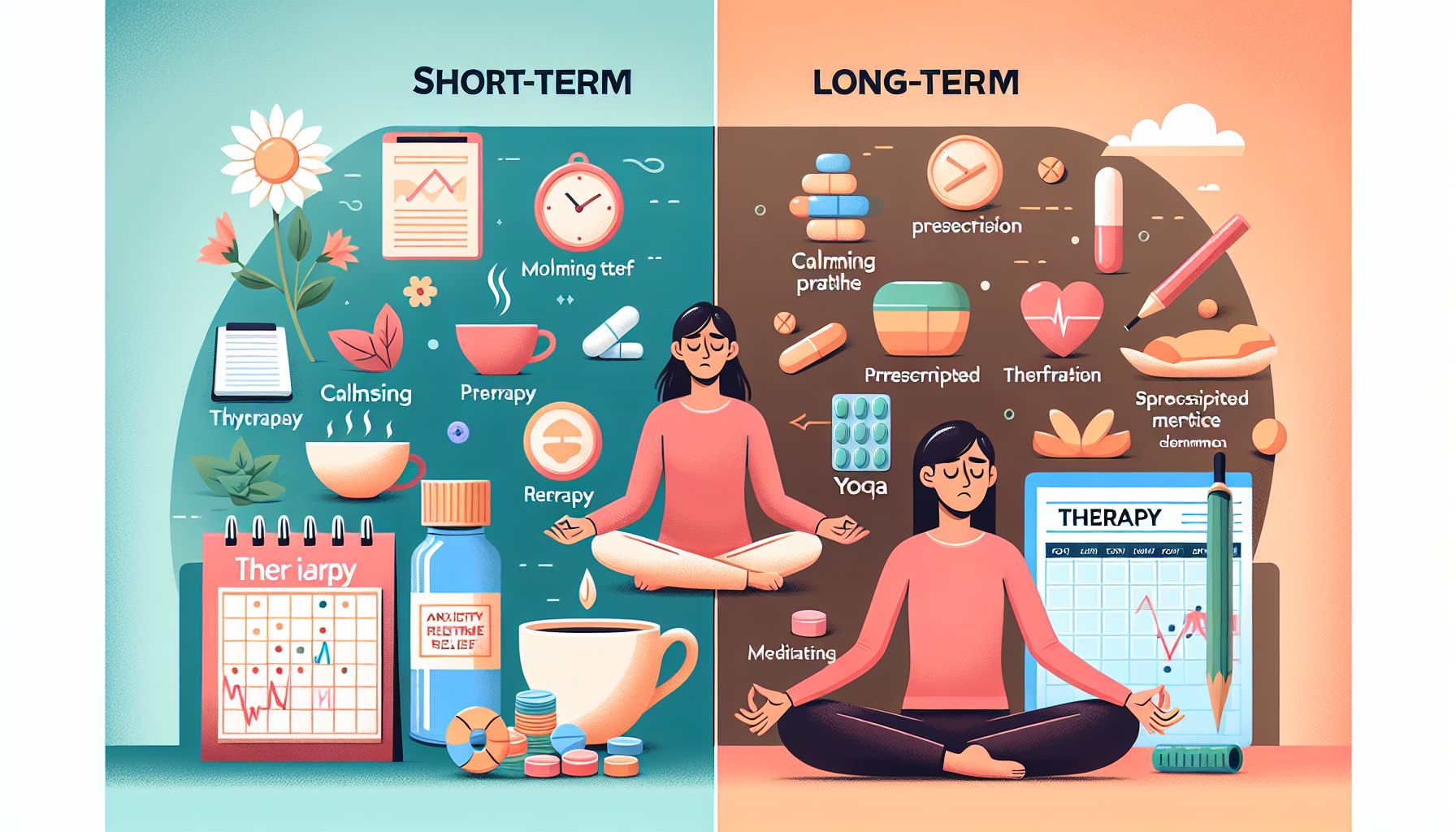
Short-Term vs. Long-Term Use
Short-Term Use
Benzodiazepines are typically for short-term anxiety relief. Doctors may prescribe them during crises, such as major life events or panic attacks. They are effective for immediate relief. However, it is essential to use them cautiously to avoid dependence.
Long-Term Use
Antidepressants are suitable for long-term management. They can help people with generalized anxiety disorder (GAD) or those experiencing anxiety alongside depression. Ongoing consultation with a healthcare provider is crucial to monitor effectiveness and adjust dosage as needed.
Alternative Prescription Options
In addition to benzodiazepines and antidepressants, several other medications can help manage anxiety:
Buspirone
Buspirone (Buspar) is an anti-anxiety medication that may take weeks to become effective. It is not a benzodiazepine and does not carry the same risk of dependence. It works on serotonin receptors and may be suitable for patients seeking a long-term treatment option.
Beta-Blockers
Beta-blockers, such as propranolol, may be helpful for performance anxiety. They do not treat anxiety directly but reduce physical symptoms like rapid heartbeat and trembling during stressful situations.
Antipsychotics
Sometimes, doctors prescribe atypical antipsychotics like quetiapine to manage anxiety, especially in cases resistant to other treatments. These medications need careful management due to potential side effects.
Finding the Right Treatment
Choosing the right medication requires a personalized approach. Healthcare providers assess individual symptoms, medical history, and overall health before recommending treatment. It is essential to communicate openly about all symptoms and concerns.
Working with a Healthcare Provider
Open dialogue with a healthcare provider can lead to effective treatment plans. Regular follow-ups allow for adjustments based on how the individual responds to the medication. Patients should feel free to discuss side effects, concerns, and any changes in symptoms.
Non-Medication Options
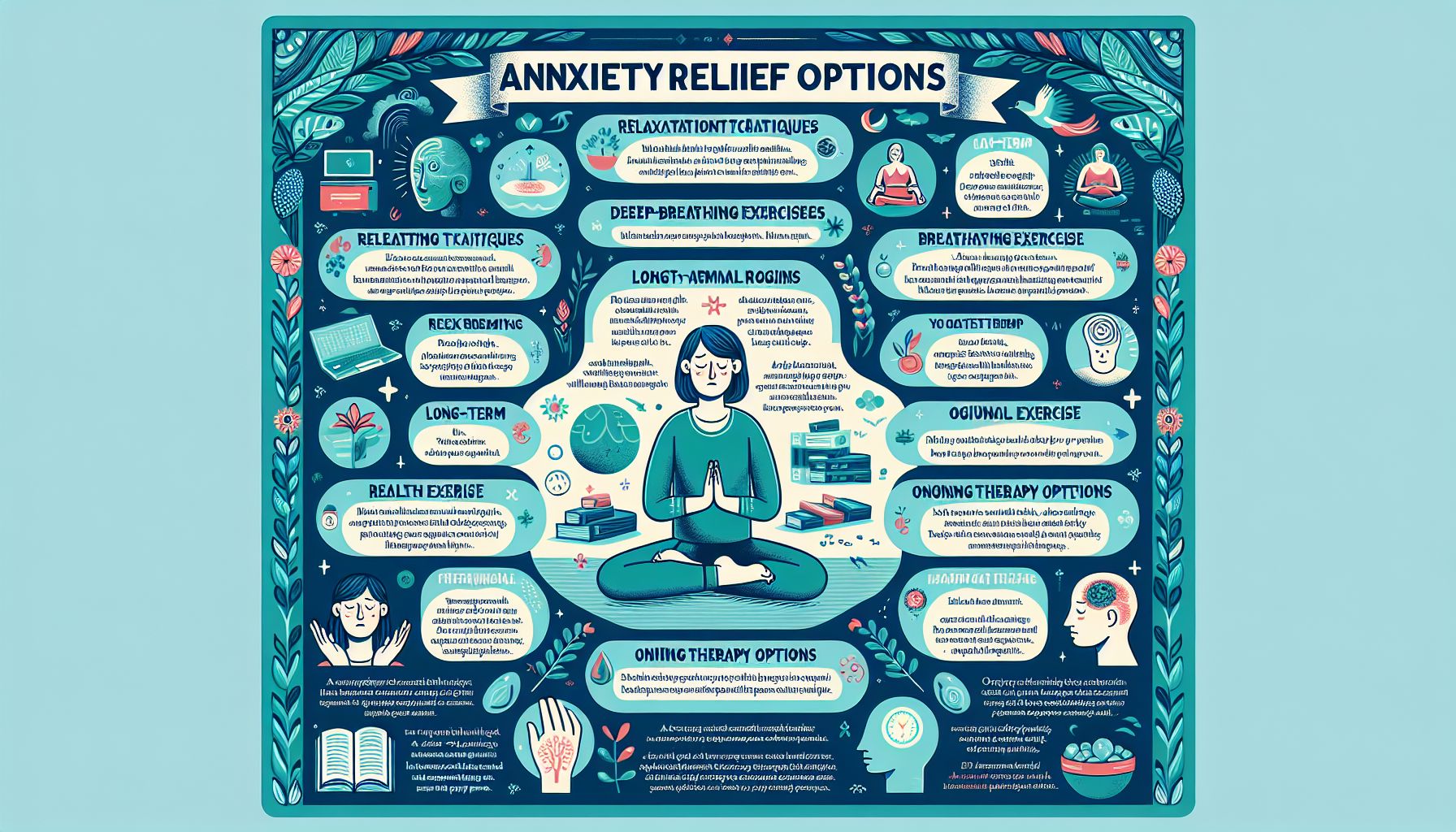
Alongside medications, many beneficial non-medication options exist. Options such as therapy, mindfulness practices, and exercise can enhance overall mental health.
Therapy
Cognitive-behavioral therapy (CBT) is particularly effective for anxiety. It helps individuals identify and change negative thought patterns, leading to improved coping strategies.
Mindfulness and Relaxation Techniques
Practicing mindfulness, meditation, and yoga can help reduce anxiety. These techniques focus on present-moment awareness and physical relaxation.
Exercise
Regular physical activity releases endorphins, which are natural mood lifters. Exercise can also reduce tension and improve sleep, essential for those experiencing anxiety.
Conclusion
Prescription options for anxiety relief include benzodiazepines for short-term use and antidepressants for long-term management. While these medications can be effective, they are not the only solutions. Engaging in therapy, mindfulness practices, and regular exercise also plays a significant role in managing anxiety.
Always consult a healthcare provider to create a comprehensive treatment plan. For more information on anxiety medications, you can refer to trusted sources such as Mind and NIMH.
By choosing the right combination of medication, therapy, and lifestyle changes, individuals can effectively manage anxiety and improve their quality of life.